
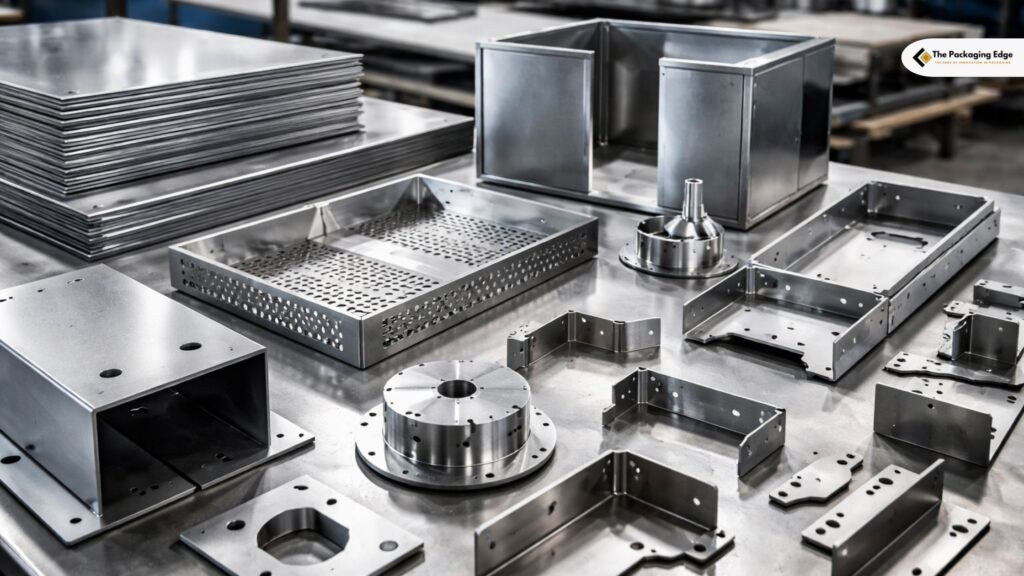
Sheet metal is one of the most essential materials powering modern industry. From construction and automotive manufacturing to electronics, aerospace, and consumer goods, sheet metal plays a critical role in shaping the products and infrastructure we rely on every day. Yet despite its ubiquity, many businesses still underestimate the complexity of working with sheet metal—especially when it comes to protecting, transporting, and packaging it correctly.
At The Packaging Edge, we work with manufacturers, distributors, and exporters worldwide who depend on sheet metal for their operations. We understand not only the material itself, but also the challenges that arise after fabrication—handling, storage, corrosion prevention, and global shipping. This comprehensive guide will give you a complete, practical, and solution-oriented understanding of sheet metal and why expert packaging is just as important as expert fabrication.
What Is Sheet Metal?
Sheet metal refers to metal that has been processed into thin, flat pieces, typically produced by rolling or hammering metal into sheets. The thickness of sheet metal can range from extremely thin foils (less than 0.2 mm) to heavy plates (up to 6 mm or more), depending on the application.
Common Metals Used in Sheet Metal Production
Sheet metal can be made from a wide variety of metals, each chosen for specific properties:
-
Steel Sheet Metal – Strong, cost-effective, and widely used in construction, automotive, and industrial applications.
-
Stainless Steel Sheet Metal – Highly resistant to corrosion and ideal for food processing, medical equipment, and chemical industries.
-
Aluminum Sheet Metal – Lightweight, corrosion-resistant, and commonly used in aerospace, packaging, and electronics.
-
Copper Sheet Metal – Excellent conductivity and corrosion resistance, often used in electrical and architectural applications.
-
Brass and Bronze Sheet Metal – Decorative and functional, used in musical instruments, fittings, and specialized components.
Each metal type presents unique handling and packaging requirements—an area where The Packaging Edge provides unmatched expertise.
How Sheet Metal Is Manufactured
Understanding how sheet metal is made helps explain why it requires careful handling and specialized packaging.
Rolling Process
Most sheet metal is produced using hot rolling or cold rolling:
-
Hot Rolling involves processing metal at high temperatures, making it easier to shape but less precise in thickness.
-
Cold Rolling occurs at or near room temperature, producing smoother finishes, tighter tolerances, and higher strength.
Cutting and Sizing
After rolling, sheet metal is cut into standard or custom sizes using:
-
Laser cutting
-
Waterjet cutting
-
Plasma cutting
-
Shearing
These processes can leave sharp edges and highly sensitive surfaces that must be protected during storage and transport.
Common Applications of Sheet Metal Across Industries
Sheet metal’s versatility makes it indispensable across global industries.
Construction and Infrastructure
Sheet metal is used in:
-
Roofing and cladding
-
Structural supports
-
HVAC ducting
-
Architectural panels
These applications demand large volumes of sheet metal that must arrive on-site undamaged and corrosion-free.
Automotive and Transportation
From car bodies to internal components, sheet metal is fundamental to automotive manufacturing. Precision, surface integrity, and consistency are non-negotiable.
Aerospace
Aerospace applications rely heavily on aluminum and specialty alloy sheet metal. Any surface damage or contamination can compromise safety and performance.
Electronics and Electrical Equipment
Sheet metal enclosures protect sensitive electronics. Even minor dents or scratches can render components unusable.
Consumer Goods and Appliances
Refrigerators, washing machines, ovens, and countless consumer products rely on high-quality sheet metal for both structure and aesthetics.
Key Advantages of Sheet Metal
Sheet metal continues to dominate industrial manufacturing because of several inherent advantages:
Strength-to-Weight Ratio
Materials like aluminum and steel provide exceptional strength without excessive weight, making them ideal for transportation and structural applications.
Formability and Precision
Sheet metal can be bent, stamped, and shaped into complex geometries with remarkable precision.
Cost Efficiency
Compared to many alternative materials, sheet metal offers a lower cost per unit of strength and durability.
Recyclability and Sustainability
Most sheet metals are 100% recyclable, making them environmentally responsible choices for manufacturers focused on sustainability.
The Hidden Challenge: Sheet Metal Handling and Packaging
While fabrication gets most of the attention, packaging is where many costly failures occur.
Common Sheet Metal Packaging Problems
-
Surface scratches and dents
-
Edge damage
-
Moisture exposure and corrosion
-
Deformation during stacking or transit
-
Contamination from dust or chemicals
These issues can result in rejected shipments, production delays, customer dissatisfaction, and financial losses.
Why Proper Sheet Metal Packaging Is Critical
Sheet metal is often shipped globally, exposed to varying climates, long transit times, and multiple handling points. Without proper packaging, even perfectly fabricated sheet metal can arrive unusable.
Corrosion Risks
Humidity, salt air, and condensation can quickly lead to rust or oxidation—especially for steel and copper sheet metal.
Mechanical Damage
Sheet metal sheets are heavy and often stacked. Inadequate packaging can lead to bending, edge crushing, or surface abrasion.
Compliance and Safety
Poorly packaged sheet metal poses safety risks during loading and unloading and may fail to meet international shipping regulations.
The Packaging Edge: Global Experts in Sheet Metal Packaging Solutions
At The Packaging Edge, we specialize in packaging solutions designed specifically for sheet metal products. Our approach is practical, engineered, and results-driven.
Customized Packaging Solutions
We don’t believe in one-size-fits-all packaging. Our solutions are tailored based on:
-
Metal type (steel, aluminum, stainless steel, etc.)
-
Sheet dimensions and thickness
-
Weight and stacking requirements
-
Shipping method (sea, air, road, rail)
-
Destination climate and transit time
Advanced Protective Materials
We utilize industry-leading materials, including:
-
VCI (Volatile Corrosion Inhibitor) packaging
-
Moisture barrier films
-
Protective interleaving sheets
-
Heavy-duty pallets and crates
-
Edge protectors and strapping systems
These materials ensure your sheet metal arrives exactly as it left your facility.
Export-Ready Packaging Expertise
For global shipments, compliance is essential. We design packaging that meets international standards, reducing customs delays and minimizing risk.
Sheet Metal Packaging for Global Supply Chains
As businesses expand internationally, sheet metal packaging must account for global logistics challenges.
Long-Distance Transportation
Sea freight exposes sheet metal to:
-
Salt-laden air
-
Temperature fluctuations
-
Extended transit times
Our packaging systems are designed to withstand these conditions without compromising material integrity.
Warehousing and Storage
Sheet metal is often stored for weeks or months before use. Proper packaging prevents:
-
Long-term corrosion
-
Surface degradation
-
Handling damage during inventory movement
Sustainability and Sheet Metal Packaging
Sustainability is no longer optional—it’s a global expectation.
Eco-Friendly Packaging Solutions
At The Packaging Edge, we prioritize:
-
Recyclable and reusable packaging materials
-
Reduced plastic usage where possible
-
Optimized packaging designs that minimize waste
Our sustainable approach protects both your products and your brand reputation.
Quality Control and Risk Reduction
Effective packaging is a form of quality control.
Reducing Rejections and Returns
When sheet metal arrives damaged, the cost isn’t just the material—it’s lost time, labor, and trust. Our packaging solutions significantly reduce rejection rates.
Enhancing Brand Perception
Well-packaged sheet metal reflects professionalism and reliability. Your customers notice the difference.
Choosing the Right Partner for Sheet Metal Packaging
Not all packaging providers understand sheet metal. Choosing the wrong partner can cost you far more than you save.
Why The Packaging Edge Stands Apart
-
Deep understanding of sheet metal properties
-
Proven experience across global markets
-
Customized, not generic, solutions
-
Strong focus on risk prevention and ROI
-
End-to-end support from design to delivery
We don’t just package products—we protect your business.
Future Trends in Sheet Metal and Packaging
As industries evolve, so do packaging demands.
Smarter Packaging Systems
Innovations such as moisture indicators and smart tracking are becoming more common in high-value sheet metal shipments.
Lightweight, High-Strength Materials
As sheet metal itself becomes more advanced, packaging must adapt to protect increasingly sophisticated products.
Greater Emphasis on Sustainability
Regulations and customer expectations will continue to push for greener packaging solutions—an area where The Packaging Edge is already leading.
Final Thoughts: Protect Your Sheet Metal Investment with The Packaging Edge
Sheet metal is a foundational material for global industry—but its value extends far beyond fabrication. Without proper packaging, even the highest-quality sheet metal is vulnerable to damage, corrosion, and costly losses.
The Packaging Edge exists to solve this exact problem. We combine material expertise, packaging innovation, and global logistics understanding to deliver solutions that work—practically, reliably, and at scale.
If your business relies on sheet metal and you want to reduce risk, improve efficiency, and protect your reputation, it’s time to work with experts who understand the full lifecycle of your product.
Take the next step today. Partner with The Packaging Edge and experience packaging solutions that truly protect your sheet metal and your bottom line.
Email us directly at thepackagingedge@gmail.com and let’s build a smarter, safer packaging strategy together.
Related Articles
- Robotic Case Packer and Palletizer Systems: The Definitive Guide to Scalable, High-Performance Packaging Automation
- Robotic Case Packer: The Definitive Guide for Modern Packaging Operations
- Tape Machine for Boxes – Improve Packaging Speed & Accuracy
- Automatic Case Packing Machines: The Complete Guide to Efficiency, Cost Savings, and Scalable Packaging
- Bag in Bag Sachet Packaging Machine: The Complete Guide for Efficiency-Driven Brands
- Automatic Carton Packing Machine – The Future of Packaging Efficiency
- Case Packer Machine Solutions for Modern Packaging Lines
- Food Shrink Wrap Machine: The Ultimate Guide to Boosting Shelf Life, Hygiene & Branding
- Cookie Packaging Machine: The Complete Guide for Bakeries & Food Brands
- Candy Wrapping Machine: The Complete Guide to Efficiency, Quality & Growth