
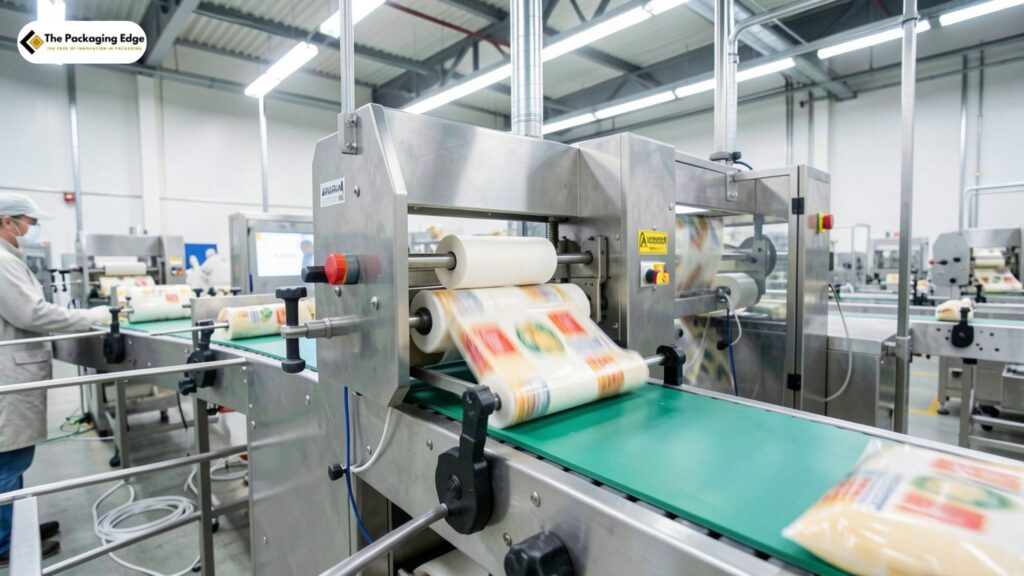
In today’s fast-moving manufacturing and distribution landscape, packaging efficiency can make or break a business. Companies across food processing, pharmaceuticals, consumer goods, electronics, and industrial manufacturing are under constant pressure to package products faster, safer, and more consistently.
One of the most reliable and widely adopted solutions in modern packaging lines is the horizontal flow wrapper. Known for its speed, flexibility, and ability to maintain product freshness and protection, this technology has become essential for businesses aiming to scale operations while maintaining product quality.
However, selecting the right horizontal flow wrapping solution—and integrating it effectively into your production line—requires expertise. That’s where The Packaging Edge comes in.
In this comprehensive guide, we’ll explore:
-
What a horizontal flow wrapper is
-
How horizontal flow wrapping machines work
-
Key components and technologies involved
-
Major industry applications
-
Advantages over other packaging methods
-
Factors to consider when choosing the right machine
-
How to optimize packaging operations with expert support
By the end, you’ll understand why companies worldwide are investing in horizontal flow wrapping solutions and how the right partner can help you maximize your packaging performance.
What Is a Horizontal Flow Wrapper?
A horizontal flow wrapper is a packaging machine designed to wrap products in a continuous film horizontally. The product moves along a conveyor belt while packaging material is formed around it, sealed, and cut into individual packages.
This packaging process is also commonly referred to as horizontal form fill seal (HFFS) packaging.
Unlike vertical packaging machines that drop products into bags from above, horizontal flow wrapping machines feed products along a conveyor before sealing them within protective film.
The result is a tight, sealed package that protects the product from contamination, moisture, and damage, while also offering a clean and professional appearance on retail shelves.
Horizontal flow wrappers are widely used for packaging:
-
Snack foods
-
Bakery items
-
Confectionery products
-
Frozen foods
-
Medical devices
-
Personal care items
-
Electronics components
-
Household goods
Their versatility and efficiency make them a cornerstone of modern automated packaging systems.
How Horizontal Flow Wrapping Machines Work
To understand why horizontal flow wrappers are so effective, it’s helpful to examine the packaging process step by step.
1. Product Feeding
Products are placed onto an infeed conveyor system either manually or automatically through an upstream production line.
Advanced horizontal flow wrapping systems may include:
-
Automated product spacing systems
-
Vision inspection
-
Orientation control
These features ensure products are positioned correctly before entering the wrapping section.
2. Film Unwinding
The packaging film—often plastic, laminated material, or biodegradable film—is unwound from a roll positioned above or below the product conveyor.
Common film materials include:
-
Polypropylene (OPP)
-
Polyethylene (PE)
-
Laminated films
-
Metallized films
-
Compostable packaging materials
Choosing the right film is crucial for achieving the desired barrier properties and shelf life.
3. Film Forming
As the product moves forward, the film is guided through a forming box that wraps the material around the product.
This creates a tube of packaging film around the product while leaving one longitudinal seam.
4. Longitudinal Sealing
A set of sealing wheels or heated rollers seals the lengthwise seam along the bottom or top of the package.
This creates a continuous sealed tube containing the products.
5. End Sealing and Cutting
Rotating sealing jaws seal and cut the film between each product, forming individual packages.
These end seals are often referred to as fin seals or crimp seals.
The result is a fully enclosed, sealed package ready for distribution.
Key Components of a Horizontal Flow Wrapper
Modern horizontal flow wrapping machines are sophisticated systems built for speed, accuracy, and reliability.
Below are the critical components that make these machines work.
1. Infeed Conveyor
The infeed conveyor is responsible for delivering products to the wrapping section.
Advanced systems may include:
-
Multi-lane feeding
-
Smart product spacing
-
Synchronization with upstream machines
Efficient feeding ensures consistent packaging speed and reduces downtime.
2. Film Transport System
The film transport system ensures smooth unwinding and positioning of the packaging material.
Key elements include:
-
Film rollers
-
Tension control systems
-
Film tracking sensors
These components prevent film misalignment and packaging defects.
3. Forming Box
The forming box shapes the flat film into a tube around the product.
The design of the forming box depends on:
-
Product dimensions
-
Film type
-
Packaging style
Precision forming ensures the package looks clean and professional.
4. Sealing System
Sealing systems are responsible for creating airtight seals.
Two primary sealing areas exist:
-
Longitudinal seal
-
End seals
Temperature control, pressure, and timing must be perfectly calibrated for reliable seals.
5. Cutting Mechanism
After sealing, a cutting system separates individual packages.
Modern machines often use rotary cutting systems that operate at high speeds with precise timing.
6. Control System
Today’s horizontal flow wrappers are powered by sophisticated PLC-based control systems that manage:
-
Machine speed
-
Temperature
-
Product spacing
-
Film alignment
-
Error detection
Touchscreen interfaces allow operators to adjust settings quickly for different product types.
Advantages of Horizontal Flow Wrappers
Businesses invest in horizontal flow wrapping machines because they offer significant operational benefits.
Let’s explore the most important advantages.
High-Speed Packaging
One of the biggest benefits of horizontal flow wrapping machines is their speed.
Depending on the model, these machines can package hundreds of products per minute, making them ideal for high-volume production environments.
This efficiency helps manufacturers meet growing demand without compromising packaging quality.
Excellent Product Protection
Proper packaging is essential for maintaining product integrity during transportation and storage.
Horizontal flow wrapping provides:
-
Protection from moisture
-
Contamination prevention
-
Physical damage resistance
This is especially important for food, pharmaceuticals, and sensitive electronics.
Versatile Product Compatibility
Horizontal flow wrappers can package a wide variety of product shapes and sizes, including:
-
Bars
-
Blocks
-
Stacked items
-
Trays
-
Multi-packs
This versatility makes them ideal for companies with diverse product lines.
Attractive Retail Packaging
Packaging plays a major role in consumer purchasing decisions.
Horizontal flow wrapping produces clean, professional-looking packages that enhance product presentation on retail shelves.
Companies can also incorporate:
-
Branded films
-
Transparent windows
-
Easy-open features
-
Resealable packaging
Reduced Labor Costs
Automation significantly reduces the need for manual packaging labor.
This leads to:
-
Lower operational costs
-
Improved consistency
-
Increased production output
For manufacturers facing labor shortages, automation is increasingly essential.
Improved Hygiene and Compliance
In industries like food processing and pharmaceuticals, hygiene standards are critical.
Modern horizontal flow wrappers are designed with:
-
Stainless steel construction
-
Washdown capability
-
Sanitary design principles
These features help businesses meet strict regulatory requirements.
Industries That Use Horizontal Flow Wrappers
Horizontal flow wrapping machines are used across many industries.
Below are some of the most common applications.
Food Industry
The food industry is the largest user of horizontal flow wrapping technology.
Common packaged products include:
-
Chocolate bars
-
Cookies
-
Snack bars
-
Fresh bakery items
-
Frozen foods
-
Sandwiches
-
Fresh produce
Flow wrapping preserves freshness while maintaining appealing presentation.
Pharmaceutical Industry
Pharmaceutical companies use horizontal flow wrappers for packaging:
-
Medical devices
-
Diagnostic kits
-
Sterile instruments
-
Test strips
-
Healthcare products
The packaging process helps ensure sterility and product safety.
Personal Care and Cosmetics
Horizontal flow wrapping is ideal for packaging personal care products such as:
-
Soap bars
-
Wipes
-
Cosmetic tools
-
Travel-sized products
These machines allow brands to maintain attractive packaging designs while ensuring product protection.
Consumer Goods
Many everyday products are packaged using horizontal flow wrappers, including:
-
Stationery items
-
Batteries
-
Small electronics
-
Household accessories
Flow wrapping helps protect products from damage during shipping and handling.
Horizontal Flow Wrapper vs Vertical Packaging Machines
Many businesses compare horizontal flow wrappers with vertical form fill seal machines (VFFS).
While both systems have advantages, the choice depends on product characteristics.
Horizontal Flow Wrapper
Best suited for:
-
Solid items
-
Individually packaged products
-
Products that require careful orientation
Examples include snack bars, cookies, and medical devices.
Vertical Packaging Machines
Best suited for:
-
Granular products
-
Powders
-
Liquids
-
Loose items
Examples include coffee, grains, and powdered foods.
Understanding these differences helps businesses choose the right packaging solution for their specific needs.
Factors to Consider When Choosing a Horizontal Flow Wrapper
Investing in packaging equipment is a major decision. Businesses must evaluate several factors before choosing a machine.
Product Dimensions and Shape
The machine must accommodate the size and shape of your product.
Important considerations include:
-
Product width
-
Product height
-
Product length
-
Product fragility
Selecting the correct machine prevents packaging issues and machine downtime.
Packaging Speed Requirements
Production speed requirements vary by industry.
A small operation may require 50 packages per minute, while large manufacturers may need machines capable of producing 500+ packages per minute.
Choosing a machine that matches your production goals ensures long-term scalability.
Film Compatibility
Different packaging films require different sealing temperatures and handling systems.
Ensure the machine supports the film materials you plan to use, including sustainable packaging options.
Integration with Existing Production Lines
Horizontal flow wrappers must integrate smoothly with upstream and downstream equipment.
Integration considerations include:
-
Feeding systems
-
Labeling machines
-
Checkweighers
-
Cartoning machines
A well-designed packaging line minimizes bottlenecks and improves overall efficiency.
Maintenance and Reliability
Downtime is expensive.
Look for machines designed with:
-
Easy maintenance access
-
Durable components
-
Reliable electronics
Working with an experienced packaging partner ensures long-term performance.
Optimizing Your Packaging Line with Expert Support
Even the most advanced horizontal flow wrapper requires proper configuration and integration to deliver maximum value.
That’s why partnering with experienced packaging specialists is essential.
Professional packaging experts can help with:
-
Equipment selection
-
Production line design
-
Film compatibility testing
-
Automation integration
-
Operator training
-
Maintenance support
These services help businesses avoid costly mistakes and achieve optimal packaging performance.
Why Businesses Worldwide Trust The Packaging Edge
At The Packaging Edge, we specialize in helping companies implement high-performance packaging solutions tailored to their unique operational needs.
Our team understands the complexities of modern packaging lines and works closely with businesses to identify the most efficient and cost-effective solutions.
Our expertise includes:
-
Horizontal flow wrapping systems
-
Automated packaging line integration
-
Packaging optimization strategies
-
Equipment sourcing and consultation
-
Custom packaging solutions
We work with manufacturers across multiple industries worldwide, helping them improve efficiency, reduce costs, and scale production with confidence.
By combining technical expertise with practical industry insight, The Packaging Edge ensures every packaging system delivers measurable results.
Future Trends in Horizontal Flow Wrapping
The packaging industry continues to evolve rapidly.
Several trends are shaping the future of horizontal flow wrapping technology.
Sustainable Packaging Materials
As environmental regulations tighten, companies are shifting toward eco-friendly packaging films.
Horizontal flow wrappers are increasingly designed to support:
-
Compostable films
-
Recyclable packaging materials
-
Reduced plastic consumption
This helps businesses meet sustainability goals while maintaining packaging performance.
Smart Packaging Machines
Modern machines are integrating advanced technologies such as:
-
IoT monitoring
-
Predictive maintenance
-
Real-time production analytics
These innovations improve efficiency and reduce unexpected downtime.
Greater Automation
Automation is becoming essential for high-volume production environments.
New systems include:
-
Robotic feeding
-
Vision inspection systems
-
AI-driven packaging optimization
These technologies significantly increase productivity while reducing operational costs.
Final Thoughts: Choosing the Right Horizontal Flow Wrapper Partner
A horizontal flow wrapper is more than just a packaging machine—it is a critical component of your production efficiency, product protection, and brand presentation.
The right machine can dramatically increase productivity, reduce operational costs, and improve packaging quality.
However, selecting and implementing the right solution requires expertise, industry knowledge, and careful planning.
That’s where The Packaging Edge becomes your competitive advantage.
Our team works with businesses around the world to design and implement high-performance packaging solutions tailored to their exact needs. Whether you are upgrading an existing production line or building a new packaging system from the ground up, we provide the technical expertise and strategic guidance necessary to achieve outstanding results.
If you’re ready to improve your packaging efficiency with the right horizontal flow wrapper solution, we’re here to help.
Contact The Packaging Edge today to discuss your packaging requirements and discover how our expertise can transform your production line.
Email us directly at: thepackagingedge@gmail.com
Let’s build a smarter, faster, and more efficient packaging operation together.
Related Articles
- Stretch Wrappers: The Definitive Guide to Smarter, Safer, and More Profitable Pallet Packaging
- The Ultimate Guide to the Shrink Tunnel Packaging Machine: Technology, Applications, and How to Choose the Right System
- Modular Conveyor Systems: The Scalable Backbone of Modern Manufacturing and Packaging
- Automated Bagging Machine: The Ultimate Guide to Boosting Packaging Efficiency, Accuracy, and Profitability
- Bottle Case Packer: The Complete Guide to High-Performance Secondary Packaging Automation
- Side Load Case Packer: The Complete Guide to Efficient, Scalable, and Future-Ready Packaging Automation
- Top Load Case Packer Systems: The Complete Guide to Smarter, Faster, and More Reliable Packaging Operations
- Wrap Around Case Packer: The Definitive Guide to High-Efficiency Secondary Packaging
- The Complete Guide to Automated Material Handling Equipment: Transforming Warehouse Operations
- The Complete Guide to Automated Material Handling Solutions: Transforming Modern Warehouse Operations
- Gravity Spiral Conveyors: The Ultimate Guide to Efficient Vertical Material Handling