
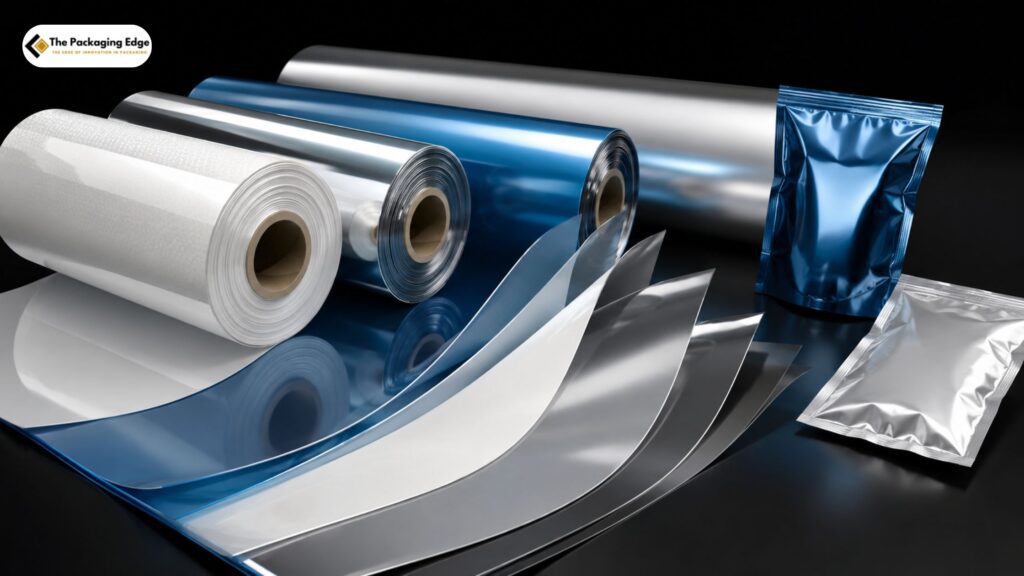
Flexible Packaging Coatings: Why They Matter More Than Ever
In today’s highly competitive global packaging industry, businesses are expected to deliver products that remain fresh, safe, visually appealing, and environmentally responsible—all while reducing costs and improving operational efficiency. Whether it’s food, pharmaceuticals, cosmetics, personal care products, industrial chemicals, or consumer goods, packaging has become much more than just a protective shell.
At the heart of modern packaging innovation lies flexible packaging coatings.
Flexible packaging coatings play a critical role in improving product protection, extending shelf life, enhancing print quality, increasing durability, improving sealing performance, and supporting sustainability initiatives. As global supply chains become more demanding and consumers expect higher-quality products, choosing the right coating system has become a strategic business decision rather than a simple manufacturing choice.
For manufacturers, converters, packaging designers, and brand owners worldwide, understanding flexible packaging coatings is essential for creating packaging that performs exceptionally throughout production, transportation, retail display, and consumer use.
At The Packaging Edge, we help businesses navigate the evolving packaging landscape with practical expertise, innovative coating solutions, and industry-focused guidance. Whether you’re launching a new product, upgrading packaging performance, or working toward sustainability goals, selecting the right coating technology can significantly improve your packaging success.
This comprehensive guide explores everything you need to know about flexible packaging coatings—from their functions and types to industry applications, sustainability trends, common challenges, and future innovations.
What Are Flexible Packaging Coatings?
Flexible packaging coatings are specially engineered materials applied to flexible packaging substrates such as:
- Plastic films
- Paper
- Aluminum foil
- Laminates
- Bio-based materials
- Compostable films
These coatings modify the surface properties of packaging materials to improve their performance and functionality.
Instead of relying solely on the base substrate, manufacturers use coatings to provide additional characteristics such as:
- Moisture resistance
- Oxygen barrier protection
- Chemical resistance
- Heat resistance
- Gloss enhancement
- Matte finishes
- Printability
- Scratch resistance
- Anti-fog properties
- Heat sealability
- Slip control
- UV protection
- Grease resistance
- Antimicrobial functionality
Without high-performance coatings, many modern flexible packaging applications simply would not meet today’s performance standards.
Why Flexible Packaging Coatings Are Essential
Modern packaging must satisfy numerous performance requirements simultaneously.
These include:
- Protecting products from contamination
- Preserving freshness
- Preventing spoilage
- Maintaining visual appeal
- Improving transportation durability
- Supporting automated packaging equipment
- Meeting food safety regulations
- Reducing packaging waste
- Enhancing sustainability
Flexible packaging coatings help manufacturers achieve all these objectives while maintaining lightweight, cost-effective packaging structures.
This is why flexible packaging coatings have become one of the fastest-growing segments within the global packaging industry.
Key Functions of Flexible Packaging Coatings
1. Barrier Protection
Barrier coatings protect products from external environmental factors.
These include:
- Oxygen
- Water vapor
- Aroma transfer
- Grease
- Oils
- Chemicals
- UV light
Superior barrier performance directly improves product shelf life.
2. Enhanced Print Quality
Brand identity depends heavily on packaging appearance.
Coatings improve:
- Ink adhesion
- Color vibrancy
- Print sharpness
- Graphic durability
- Surface smoothness
This creates attractive retail packaging that stands out on crowded shelves.
3. Improved Mechanical Performance
Flexible packaging often experiences:
- Folding
- Stretching
- Compression
- Transportation impacts
Protective coatings improve:
- Abrasion resistance
- Flex crack resistance
- Puncture resistance
- Surface durability
4. Heat Seal Performance
Many flexible packages rely on heat sealing.
Coatings improve:
- Seal strength
- Seal consistency
- Leak prevention
- Packaging efficiency
Reliable seals reduce product loss and customer complaints.
5. Chemical Resistance
Industrial packaging frequently encounters:
- Solvents
- Oils
- Detergents
- Acids
- Cleaning chemicals
Chemical-resistant coatings prevent degradation while maintaining packaging integrity.
6. Consumer Experience
Modern coatings improve usability through features such as:
- Easy-open functionality
- Anti-fog performance
- Soft-touch finishes
- Premium matte appearance
- High-gloss effects
- Fingerprint resistance
These improvements elevate customer perception and satisfaction.
Types of Flexible Packaging Coatings
Choosing the right flexible packaging coating depends on product requirements, regulatory standards, end-use applications, and environmental goals.
Water-Based Coatings
Water-based coatings have become increasingly popular due to their lower environmental impact.
Advantages include:
- Reduced VOC emissions
- Excellent printability
- Food-safe options
- Cost efficiency
- Improved sustainability
Common applications include:
- Food packaging
- Beverage packaging
- Consumer goods
- Paper packaging
Solvent-Based Coatings
These coatings deliver exceptional performance where demanding applications require maximum durability.
Benefits include:
- High chemical resistance
- Strong adhesion
- Excellent flexibility
- Superior barrier performance
Industries include:
- Pharmaceuticals
- Industrial chemicals
- High-performance laminates
UV-Curable Coatings
UV coatings cure instantly under ultraviolet light.
Advantages include:
- Faster production
- High gloss
- Scratch resistance
- Improved productivity
- Reduced energy consumption
Heat-Seal Coatings
Heat-seal coatings enable secure package closure.
Applications include:
- Snack foods
- Frozen foods
- Medical packaging
- Pharmaceutical packaging
Barrier Coatings
Barrier coatings create protection against:
- Oxygen
- Moisture
- Aroma migration
- Oils
- Grease
These coatings are essential for extending shelf life.
Functional Coatings
Functional coatings deliver specialized performance.
Examples include:
- Anti-fog coatings
- Antimicrobial coatings
- Anti-static coatings
- Release coatings
- Conductive coatings
These advanced technologies support increasingly sophisticated packaging requirements.
Industries That Depend on Flexible Packaging Coatings
Flexible packaging coatings support virtually every manufacturing sector.
Food Industry
Food manufacturers require coatings that:
- Extend freshness
- Prevent contamination
- Improve shelf appeal
- Preserve flavor
- Resist grease
Applications include:
- Frozen foods
- Dairy
- Meat
- Snacks
- Coffee
- Pet food
- Bakery products
Pharmaceutical Industry
Medical packaging demands exceptional reliability.
Coatings help ensure:
- Sterility
- Moisture protection
- Tamper resistance
- Chemical stability
- Regulatory compliance
Cosmetics and Personal Care
Premium packaging is essential for beauty brands.
Coatings provide:
- Luxury finishes
- Chemical resistance
- Excellent printing
- Durability
Industrial Products
Industrial packaging benefits from coatings that resist:
- Oils
- Solvents
- Abrasion
- Moisture
- Extreme temperatures
Agricultural Packaging
Agricultural products require packaging capable of handling harsh outdoor environments.
Protective coatings improve durability during transportation and storage.
Sustainability and Flexible Packaging Coatings
Sustainability has become one of the most influential drivers in packaging innovation.
Governments, consumers, and global brands increasingly expect environmentally responsible packaging solutions.
Modern coating technologies now support these goals through:
- Reduced material usage
- Lower emissions
- Improved recyclability
- Renewable raw materials
- Water-based formulations
- Bio-based coating technologies
Manufacturers are actively replacing traditional coating systems with more sustainable alternatives that maintain high performance while reducing environmental impact.
How Flexible Packaging Coatings Improve Shelf Life
Shelf life directly impacts profitability.
Spoiled products result in:
- Increased waste
- Higher costs
- Consumer dissatisfaction
- Brand damage
Barrier coatings slow product degradation by reducing exposure to:
- Oxygen
- Moisture
- Light
- External odors
This helps preserve:
- Taste
- Texture
- Nutritional value
- Appearance
Longer shelf life benefits manufacturers, retailers, and consumers alike.
Challenges in Selecting Flexible Packaging Coatings
Choosing the right coating involves balancing multiple performance factors.
Businesses must consider:
- Product compatibility
- Regulatory compliance
- Manufacturing speed
- Printing requirements
- Cost efficiency
- Sustainability objectives
- Supply chain conditions
- End-user expectations
A coating that excels in one area may compromise another, making expert guidance invaluable.
Emerging Trends in Flexible Packaging Coatings
The industry continues to evolve rapidly.
Several innovations are shaping the future of flexible packaging coatings.
Smart Coatings
Smart coatings can monitor environmental conditions and enhance product safety through advanced functional properties.
Future developments may include indicators for temperature exposure, freshness, and package integrity.
Antimicrobial Technologies
Demand for hygienic packaging continues to increase.
Advanced antimicrobial coatings help reduce microbial growth on packaging surfaces, supporting safer handling in healthcare, food, and consumer applications.
High-Barrier Sustainable Solutions
Manufacturers increasingly seek coatings that deliver excellent oxygen and moisture barriers without compromising recyclability.
Mono-material packaging structures paired with advanced barrier coatings are becoming more common.
Digital Printing Compatibility
As digital printing expands, coatings must support:
- High-resolution graphics
- Faster production
- Variable data printing
- Personalized packaging
Coating technologies are evolving to meet these requirements while maintaining durability.
Bio-Based Coatings
Research into renewable materials continues to grow.
Bio-based coating technologies derived from plant-based resources offer promising opportunities for reducing dependence on fossil-based materials.
How to Choose the Right Flexible Packaging Coating
Selecting the best coating begins with understanding your product’s unique requirements.
Key considerations include:
Product Sensitivity
Does your product require protection against:
- Moisture?
- Oxygen?
- UV light?
- Grease?
- Chemicals?
Understanding these needs is the foundation of coating selection.
Packaging Material
Different substrates respond differently to coating systems.
Common materials include:
- Polyethylene (PE)
- Polypropylene (PP)
- PET
- Paper
- Foil
- Bioplastics
Compatibility between substrate and coating is essential for optimal performance.
Regulatory Requirements
Industries such as food and pharmaceuticals often require compliance with stringent regulations governing materials that come into contact with products.
Ensure that coating systems meet applicable regional and international standards.
Manufacturing Process
Evaluate how the coating integrates with your production line, considering:
- Coating application method
- Drying or curing process
- Printing compatibility
- Lamination requirements
- Heat-sealing performance
Sustainability Goals
If your organization aims to improve environmental performance, prioritize coatings that support recyclability, lower emissions, or renewable material content without sacrificing functionality.
Common Mistakes to Avoid
Many organizations experience packaging issues due to preventable errors during coating selection.
Common mistakes include:
- Choosing coatings based solely on cost
- Ignoring compatibility with packaging substrates
- Overlooking regulatory requirements
- Underestimating transportation conditions
- Failing to validate coating performance through testing
- Neglecting sustainability objectives
- Assuming one coating works for every application
Working with knowledgeable packaging specialists helps avoid these pitfalls and ensures a solution tailored to your product and market.
Why Expert Guidance Makes the Difference
Flexible packaging coatings involve complex interactions between materials, manufacturing processes, product characteristics, and environmental conditions.
An experienced packaging partner can help you:
- Identify the most suitable coating technology
- Improve package performance
- Reduce production issues
- Enhance product protection
- Optimize costs
- Support sustainability initiatives
- Stay ahead of evolving industry standards
Instead of relying on trial and error, businesses benefit from strategic expertise that accelerates innovation and minimizes risk.
Frequently Asked Questions About Flexible Packaging Coatings
What are flexible packaging coatings?
Flexible packaging coatings are specialized surface treatments applied to packaging materials to enhance properties such as barrier protection, printability, durability, sealing performance, and resistance to moisture, chemicals, grease, and abrasion.
Which industries benefit most from flexible packaging coatings?
Industries including food and beverage, pharmaceuticals, cosmetics, personal care, agriculture, industrial manufacturing, and consumer goods all rely on flexible packaging coatings to improve product protection and packaging performance.
Are water-based coatings environmentally friendly?
Water-based coatings generally produce lower volatile organic compound (VOC) emissions than many solvent-based systems and are widely adopted as part of broader sustainability initiatives. Their suitability depends on the required performance and application.
Can flexible packaging coatings improve shelf life?
Yes. Barrier coatings help limit exposure to oxygen, moisture, light, and contaminants, helping preserve product quality and extend shelf life.
Are sustainable flexible packaging coatings available?
Yes. Advances in water-based, bio-based, recyclable, and high-barrier coating technologies are enabling manufacturers to pursue sustainability goals while maintaining strong packaging performance.
The Future of Flexible Packaging Coatings
The packaging industry is entering an exciting era where performance and sustainability are no longer competing priorities. Innovations in coating chemistry, digital manufacturing, recyclable structures, and functional surfaces are enabling businesses to create packaging that protects products more effectively while reducing environmental impact.
As consumer expectations evolve and regulations become more stringent, organizations that invest in advanced flexible packaging coatings will be better positioned to improve operational efficiency, strengthen brand reputation, and remain competitive in global markets.
Success, however, depends on choosing coating technologies that align with your product requirements, production processes, compliance obligations, and long-term business goals.
Partner with The Packaging Edge for Smarter Packaging Solutions
When it comes to flexible packaging coatings, expertise makes all the difference. At The Packaging Edge, we are committed to helping businesses worldwide identify practical, high-performance packaging solutions that improve product protection, optimize manufacturing efficiency, support sustainability initiatives, and create lasting value.
Whether you are developing a new packaging concept, upgrading existing materials, or seeking guidance on the latest coating innovations, our team is ready to help you make informed decisions with confidence.
Don’t leave your packaging performance to chance. Partner with The Packaging Edge and discover how the right flexible packaging coating strategy can transform your products and strengthen your competitive advantage.
Ready to discuss your packaging challenges or explore tailored solutions? Email us today at thepackagingedge@gmail.com and let The Packaging Edge help you build packaging that performs, protects, and delivers results in today’s demanding global marketplace.
Related Articles
- Compostable Tea Packaging: The Complete Guide to Sustainable Tea Packaging Solutions for Modern Brands
- The Complete Guide to Flow Wrap Packaging: Benefits, Applications, Materials, and Choosing the Right Partner
- The Ultimate Guide to Corrugated Boxes: Engineering Strength, Driving Sustainability, and Powering Global Supply Chains
- Packaging Paper: The Complete Global Guide to Smarter, Sustainable, High-Performance Packaging Solutions
- The Ultimate Guide to Packaging Tape: Types, Applications, Selection & Expert Solutions
- Green Tea Packaging: The Definitive Guide to Preserving Quality, Sustainability, and Brand Value
- Dynamic Packaging Solutions: How The Packaging Edge is Transforming Packaging for Growth
- Brewing Success: Why Custom Tea Packaging Is Your Secret Weapon
- Tea Packaging: Design, Trends & Sustainability Insights
- Heat Shrink Packaging: Applications, Benefits, and Innovations