
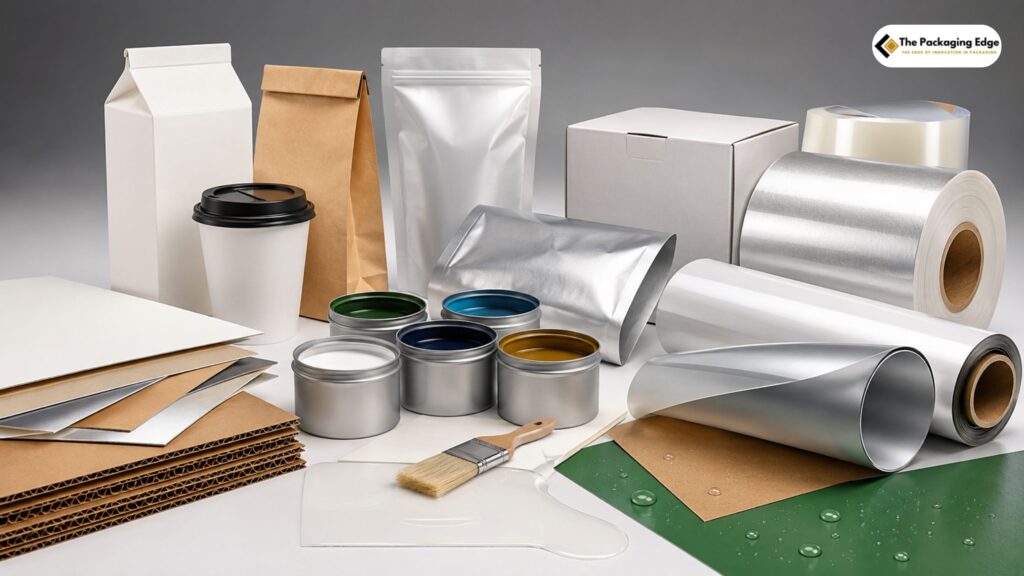
Packaging has evolved far beyond being a simple container for products. In today’s highly competitive global marketplace, packaging is expected to protect products, strengthen brand identity, improve customer experience, meet regulatory requirements, and support sustainability goals. At the center of this transformation lies one of the most important yet often overlooked innovations—packaging coatings.
From food and beverage products to pharmaceuticals, cosmetics, electronics, industrial goods, and e-commerce shipments, packaging coatings provide the protective layer that determines how well a package performs throughout its lifecycle. These advanced coatings improve moisture resistance, enhance durability, prevent contamination, increase shelf life, deliver attractive finishes, and even enable smart packaging technologies.
As businesses face growing consumer expectations, stricter environmental regulations, and increasing pressure to reduce waste, selecting the right packaging coating has become a strategic business decision rather than simply a manufacturing choice.
At The Packaging Edge, we understand that every packaging solution must balance protection, functionality, aesthetics, compliance, and sustainability. With extensive industry expertise and a practical approach to modern packaging challenges, we help businesses worldwide identify coating solutions that improve product performance while supporting long-term business growth.
Whether you’re a manufacturer, packaging engineer, product developer, procurement manager, or brand owner, this comprehensive guide explains everything you need to know about packaging coatings, including their types, benefits, applications, emerging technologies, and the factors that influence coating selection.
What Are Packaging Coatings?
Packaging coatings are specialized materials applied to packaging surfaces to improve their physical, chemical, and visual properties. These coatings create a protective barrier between the packaged product and external environmental conditions while enhancing the package’s appearance and performance.
Packaging coatings may be applied to:
- Paper packaging
- Paperboard cartons
- Corrugated boxes
- Flexible packaging films
- Plastic containers
- Glass packaging
- Metal cans
- Aluminum packaging
- Labels
- Folding cartons
- Food wrappers
- Beverage packaging
Depending on the application, coatings can be applied to either the interior or exterior surface—or both.
Their primary role is to ensure that packaging performs effectively from production and transportation to storage, retail display, and final consumer use.
Why Packaging Coatings Matter More Than Ever
Global supply chains have become increasingly complex. Products travel longer distances, face wider temperature variations, and encounter numerous handling stages before reaching consumers.
Without appropriate packaging coatings, products may suffer from:
- Moisture damage
- Oxygen exposure
- Oil penetration
- Grease staining
- Surface scratches
- UV degradation
- Chemical contamination
- Reduced shelf life
- Printing defects
- Loss of visual appeal
Modern packaging coatings solve these challenges while helping manufacturers achieve higher operational efficiency and stronger customer satisfaction.
For industries competing on quality, product safety, and sustainability, packaging coatings are no longer optional—they are essential.
How Packaging Coatings Work
Packaging coatings create a functional layer that modifies the properties of the packaging substrate.
Depending on formulation, coatings can provide:
Barrier Protection
Barrier coatings prevent moisture, oxygen, grease, oils, chemicals, and gases from penetrating the packaging material.
This helps preserve:
- Food freshness
- Beverage quality
- Pharmaceutical stability
- Cosmetic formulations
- Industrial products
Surface Enhancement
Coatings improve:
- Smoothness
- Print quality
- Ink adhesion
- Color vibrancy
- Gloss
- Matte appearance
Brands rely heavily on these characteristics to improve shelf appeal.
Mechanical Protection
Packaging undergoes continuous friction during manufacturing, warehousing, shipping, and retail handling.
Protective coatings help resist:
- Abrasion
- Scratches
- Scuffing
- Cracking
- Wear
This ensures the package maintains its professional appearance until it reaches the customer.
Functional Performance
Certain coatings provide highly specialized functions such as:
- Heat sealing
- Anti-fog performance
- Antimicrobial protection
- Release properties
- Water resistance
- Grease resistance
- UV protection
These functions significantly expand packaging capabilities across industries.
Major Types of Packaging Coatings
Understanding the different types of packaging coatings helps manufacturers select the most suitable solution for specific product requirements.
Water-Based Packaging Coatings
Water-based coatings have become increasingly popular due to their environmental advantages and excellent overall performance.
These coatings use water as the primary solvent instead of petroleum-based chemicals.
Advantages
- Low VOC emissions
- Environmentally friendly
- Excellent printability
- Fast drying
- Reduced odor
- Regulatory compliance
- Suitable for food packaging
Common Applications
- Folding cartons
- Food packaging
- Beverage cartons
- Labels
- Corrugated packaging
As sustainability initiatives continue to grow worldwide, water-based packaging coatings are becoming the preferred option for many packaging manufacturers.
Solvent-Based Packaging Coatings
Solvent-based coatings remain valuable for demanding industrial applications requiring exceptional chemical resistance and durability.
These coatings offer:
- Strong adhesion
- Excellent chemical resistance
- High durability
- Superior weather resistance
- Excellent flexibility
Industries commonly using solvent-based coatings include:
- Industrial packaging
- Chemical products
- Heavy-duty transportation packaging
- Automotive packaging
Although environmental regulations are encouraging reduced solvent usage, these coatings continue to play an important role in specialized applications.
UV Packaging Coatings
UV coatings cure instantly when exposed to ultraviolet light.
This technology offers several significant advantages.
Benefits
- Extremely fast curing
- High gloss finish
- Excellent abrasion resistance
- Premium appearance
- Improved productivity
- Reduced manufacturing time
Luxury brands frequently use UV coatings for:
- Cosmetic packaging
- Electronics packaging
- Premium food packaging
- High-end retail cartons
The instant curing process also improves manufacturing efficiency while minimizing production bottlenecks.
Aqueous Coatings
Aqueous coatings are among the most widely used packaging coatings in commercial printing.
They provide a protective finish while maintaining excellent environmental performance.
They are particularly effective for:
- Printed cartons
- Retail packaging
- Product labels
- Book covers
- Marketing materials
Available finishes include:
- High gloss
- Satin
- Matte
- Soft touch
Their affordability and versatility make aqueous coatings one of the most popular finishing options in modern packaging production.
Barrier Coatings
Barrier coatings represent one of the fastest-growing segments of the packaging industry.
Their primary purpose is to protect packaged products from environmental exposure.
Barrier coatings can protect against:
- Water vapor
- Oxygen
- Carbon dioxide
- Oils
- Grease
- Aroma loss
- Chemical migration
These coatings are especially critical in:
- Food packaging
- Pharmaceutical packaging
- Medical packaging
- Beverage packaging
Growing demand for extended shelf life has significantly accelerated innovation in barrier coating technologies.
Heat Seal Coatings
Heat seal coatings enable packaging materials to bond securely under heat and pressure.
These coatings are essential for:
- Flexible packaging
- Medical packaging
- Pharmaceutical pouches
- Snack packaging
- Frozen food packaging
Reliable sealing prevents contamination while preserving product freshness.
Anti-Fog Coatings
Condensation inside food packaging can reduce product visibility and negatively impact consumer perception.
Anti-fog coatings prevent moisture droplets from forming on packaging surfaces.
These coatings are commonly found in:
- Fresh produce packaging
- Refrigerated food packaging
- Meat packaging
- Bakery products
- Ready-to-eat meals
The result is improved product presentation and longer shelf appeal.
Key Benefits of Packaging Coatings
The advantages of high-quality packaging coatings extend well beyond surface protection.
Enhanced Product Protection
The primary purpose of packaging coatings is safeguarding products from external damage.
Protective coatings minimize exposure to:
- Moisture
- Oxygen
- UV radiation
- Dirt
- Chemicals
- Abrasion
- Temperature fluctuations
This translates into reduced product losses throughout the supply chain.
Extended Shelf Life
Food manufacturers especially rely on advanced packaging coatings to maintain freshness for longer periods.
By limiting oxygen and moisture transmission, coatings help preserve:
- Flavor
- Texture
- Nutritional value
- Aroma
- Product quality
Longer shelf life also reduces food waste—an increasingly important global sustainability objective.
Improved Brand Presentation
Packaging often creates the first impression consumers have of a product.
Premium coatings enhance:
- Vibrant colors
- High-definition graphics
- Surface smoothness
- Premium finishes
- Luxury appeal
Gloss, matte, soft-touch, and textured coatings all contribute to a stronger brand identity and increased consumer engagement.
Better Printing Performance
Modern packaging depends on exceptional print quality.
Packaging coatings improve:
- Ink adhesion
- Color consistency
- Image sharpness
- Surface uniformity
- Print durability
These enhancements ensure branding remains clear and attractive throughout the product’s journey from manufacturer to consumer.
Greater Resistance to Wear and Tear
Packages experience continuous handling during production, transportation, warehousing, and retail display.
Protective coatings reduce damage caused by:
- Scratching
- Scuffing
- Abrasion
- Folding stress
- Repeated handling
This durability helps maintain both product integrity and brand perception.
Supporting Sustainability Goals
As environmental expectations continue to rise, packaging coatings are evolving to support more sustainable packaging solutions.
Innovations now include:
- Water-based formulations
- Recyclable coating systems
- Compostable barrier coatings
- Bio-based materials
- PFAS-free technologies
- Reduced VOC emissions
These developments enable businesses to improve packaging performance while aligning with global sustainability initiatives and regulatory requirements.
Industries That Depend on Packaging Coatings
Virtually every major industry benefits from specialized packaging coatings tailored to its products and operational needs.
Food and Beverage
Food packaging requires coatings that help maintain freshness, prevent contamination, and withstand moisture, grease, and temperature changes. Barrier and food-safe coatings are critical for extending shelf life and ensuring regulatory compliance across global markets.
Pharmaceutical and Healthcare
Medicines and medical devices demand packaging with exceptional protective properties. Specialized coatings help safeguard sensitive products from moisture, oxygen, and light while supporting sterility and product stability throughout storage and distribution.
Cosmetics and Personal Care
In the beauty industry, packaging is both protective and promotional. Premium coatings enhance visual appeal with finishes such as gloss, matte, and soft-touch while also improving resistance to scratches and handling, ensuring products look as luxurious on the shelf as they do in consumers’ hands.
Advanced Packaging Coating Technologies Transforming the Industry
The packaging industry is rapidly evolving to meet the demands of global supply chains, stricter environmental regulations, and changing consumer expectations. Today’s packaging coatings are no longer limited to providing a protective finish—they are engineered to deliver advanced functionality that enhances product safety, extends shelf life, supports sustainability, and creates a superior customer experience.
Businesses that invest in innovative coating technologies gain a competitive advantage by improving product performance while reducing costs associated with waste, damage, and inefficient packaging.
At The Packaging Edge, we continuously monitor emerging technologies to help manufacturers and brand owners adopt packaging coating solutions that are both future-ready and commercially viable.
Bio-Based Packaging Coatings
As sustainability becomes a top priority worldwide, bio-based packaging coatings are gaining widespread attention. These coatings are derived from renewable resources rather than petroleum-based materials, making them a more environmentally responsible alternative.
Common renewable sources include:
- Plant starch
- Cellulose
- Corn derivatives
- Sugarcane
- Natural waxes
- Vegetable oils
- Chitosan
- Proteins
Key Benefits
- Reduced dependence on fossil fuels
- Lower carbon footprint
- Improved biodegradability
- Enhanced recyclability
- Better compliance with sustainability regulations
- Growing consumer acceptance
Bio-based coatings are increasingly used in:
- Food packaging
- Paper cups
- Compostable containers
- Disposable tableware
- Retail packaging
- Sustainable shipping materials
Although some bio-based coatings are still evolving in terms of barrier performance, rapid technological advancements continue to improve their effectiveness.
Nanotechnology in Packaging Coatings
Nanotechnology represents one of the most exciting developments in modern packaging.
By incorporating nanoparticles into coating formulations, manufacturers can significantly improve packaging performance without increasing material thickness.
Enhanced Properties
Nanotechnology can improve:
- Oxygen barrier performance
- Moisture resistance
- Mechanical strength
- Scratch resistance
- Heat resistance
- UV protection
- Antimicrobial performance
Even extremely thin nano-coatings can deliver outstanding protection while reducing overall material usage.
Industries exploring nanotechnology include:
- Food manufacturing
- Pharmaceuticals
- Electronics
- Medical packaging
- Aerospace components
As production costs continue to decrease, nano-enabled packaging coatings are expected to become increasingly accessible across multiple industries.
Antimicrobial Packaging Coatings
Product safety has become a global concern, particularly in food, healthcare, and pharmaceutical industries.
Antimicrobial packaging coatings help reduce microbial growth on packaging surfaces by incorporating specialized antimicrobial agents into the coating layer.
These coatings can help inhibit the growth of:
- Bacteria
- Mold
- Yeast
- Certain fungi
Common Applications
Antimicrobial coatings are widely used for:
- Fresh foods
- Ready-to-eat meals
- Medical packaging
- Surgical products
- Pharmaceutical packaging
- Healthcare supplies
While these coatings are not a replacement for proper hygiene and food safety practices, they provide an additional layer of protection that contributes to product quality and consumer confidence.
Smart Packaging Coatings
The rise of Industry 4.0 and connected supply chains has accelerated interest in smart packaging technologies.
Smart packaging coatings can interact with products, the environment, or consumers to provide valuable information throughout the product lifecycle.
Examples include:
- Temperature-sensitive coatings
- Freshness indicators
- Moisture indicators
- Time-temperature indicators
- Tamper-evident coatings
- QR code-compatible finishes
- NFC-enabled packaging surfaces
These technologies enhance traceability, improve inventory management, and build consumer trust by providing real-time product information.
High-Barrier Packaging Coatings
Certain products require exceptional protection against environmental factors such as oxygen, moisture, aroma loss, and light.
High-barrier coatings are engineered to create a nearly impermeable protective layer while maintaining the lightweight characteristics of the packaging material.
These coatings are commonly used in:
- Coffee packaging
- Snack foods
- Dairy products
- Pharmaceuticals
- Nutritional supplements
- Specialty chemicals
By improving barrier performance, businesses can reduce spoilage, extend shelf life, and lower overall packaging waste.
Sustainable Trends Shaping the Future of Packaging Coatings
Sustainability is no longer a niche consideration—it is now a key business priority influencing purchasing decisions, regulatory compliance, and brand reputation.
Manufacturers across the globe are investing in packaging coatings that reduce environmental impact while maintaining product performance.
Water-Based Technologies
Water-based coatings continue to replace traditional solvent-based systems in many applications due to their lower volatile organic compound (VOC) emissions and improved environmental profile.
Benefits include:
- Lower emissions
- Easier regulatory compliance
- Reduced workplace hazards
- Improved air quality
- Excellent print compatibility
As technology advances, water-based coatings are delivering performance levels comparable to conventional alternatives in many packaging applications.
Recyclable Packaging Coatings
Historically, some coatings made paper and paperboard difficult to recycle. Today, innovative recyclable coating technologies are helping overcome this challenge.
Modern recyclable coatings are designed to:
- Separate more easily during recycling
- Minimize contamination of recycled fibers
- Support circular economy initiatives
- Preserve packaging functionality
This enables brands to meet sustainability targets without compromising on packaging performance.
Compostable Coating Solutions
For certain applications, compostable coatings provide an environmentally responsible alternative to conventional barrier materials.
These coatings break down under industrial composting conditions, reducing long-term waste and supporting organic recycling systems.
Typical uses include:
- Food service packaging
- Compostable cups
- Disposable food containers
- Organic product packaging
Businesses adopting compostable solutions should ensure they comply with regional compostability standards and disposal infrastructure.
PFAS-Free Packaging Coatings
Growing regulatory scrutiny has increased demand for PFAS-free packaging coatings, particularly in food contact applications.
Manufacturers are developing innovative grease-resistant alternatives that deliver excellent performance without relying on intentionally added PFAS.
Transitioning to PFAS-free technologies helps companies:
- Meet evolving regulations
- Reduce environmental concerns
- Strengthen consumer trust
- Future-proof packaging strategies
Lightweight Packaging Solutions
Reducing material usage remains one of the most effective sustainability strategies.
Advanced packaging coatings enable manufacturers to use thinner packaging substrates while maintaining strength and protective performance.
The benefits include:
- Lower transportation costs
- Reduced raw material consumption
- Lower greenhouse gas emissions
- Improved shipping efficiency
- Reduced waste generation
Lightweight packaging has become especially valuable for global supply chains where logistics costs continue to rise.
Choosing the Right Packaging Coating
Selecting the ideal packaging coating requires careful evaluation of several technical and commercial factors. The right solution should balance product protection, regulatory compliance, operational efficiency, and cost-effectiveness.
At The Packaging Edge, we work closely with businesses to assess these variables and recommend coating technologies tailored to their specific products, markets, and sustainability objectives.
Understand Your Product Requirements
Every product presents unique packaging challenges. Before selecting a coating, consider:
- Is the product sensitive to moisture or oxygen?
- Does it contain oils or grease?
- Will it be exposed to extreme temperatures?
- Does it require UV protection?
- Is extended shelf life a priority?
- Does it need premium visual appeal?
Clearly defining these requirements helps narrow down the most suitable coating options.
Consider the Packaging Material
Different substrates interact differently with coatings. Compatibility is essential for ensuring proper adhesion, performance, and durability.
Common packaging materials include:
- Paper
- Paperboard
- Corrugated fiberboard
- Plastic films
- Glass
- Aluminum
- Steel
- Flexible laminates
Each material may require a different coating formulation or application method.
Evaluate Regulatory Requirements
Packaging used for food, pharmaceuticals, and healthcare products must comply with strict regional and international regulations.
Important considerations include:
- Food contact safety
- Migration limits
- Environmental regulations
- Recycling requirements
- Chemical restrictions
- Industry-specific certifications
Selecting compliant packaging coatings helps reduce regulatory risks and supports successful market entry across multiple regions.
Balance Performance and Cost
While premium coatings may involve a higher initial investment, they often reduce long-term costs by:
- Lowering product damage
- Reducing spoilage
- Minimizing returns
- Improving manufacturing efficiency
- Enhancing brand perception
- Extending product shelf life
A lifecycle cost analysis often reveals that higher-performance coatings provide better overall value than lower-cost alternatives.
Consider Sustainability Objectives
Many organizations now include sustainability metrics in packaging procurement decisions.
Questions to ask include:
- Is the coating recyclable?
- Does it support compostability?
- Are renewable materials used?
- Can VOC emissions be reduced?
- Will it improve the package’s environmental footprint?
Aligning coating selection with sustainability goals can strengthen brand reputation while helping meet evolving regulatory and consumer expectations.
Common Challenges in Packaging Coatings
Despite significant technological advancements, manufacturers may encounter challenges when selecting and implementing packaging coatings. Understanding these issues allows businesses to make informed decisions and optimize packaging performance.
Balancing Protection and Sustainability
One of the industry’s biggest challenges is achieving excellent barrier performance while minimizing environmental impact. Businesses must carefully evaluate coating formulations that deliver both functionality and sustainability.
Maintaining Print Quality
Certain coatings can affect ink adhesion or color vibrancy if not properly matched with the printing process. Testing and compatibility assessments are essential for achieving consistent, high-quality graphics.
Managing Production Efficiency
Coating application methods, curing times, and equipment compatibility can influence manufacturing productivity. Selecting coatings that integrate seamlessly into existing production lines helps reduce downtime and improve efficiency.
Adapting to Evolving Regulations
Packaging regulations continue to change across global markets. Staying informed about food contact requirements, chemical restrictions, and environmental legislation is essential for maintaining compliance and avoiding costly disruptions.
By partnering with experienced packaging specialists, businesses can overcome these challenges and implement coating solutions that deliver long-term value, operational efficiency, and enhanced product protection. The Packaging Edge is committed to helping organizations navigate these complexities with practical guidance, technical expertise, and forward-thinking packaging solutions.
The Future of Packaging Coatings
The packaging industry is entering a new era driven by sustainability, digital transformation, automation, and increasingly demanding consumer expectations. As businesses strive to reduce environmental impact while delivering exceptional product performance, packaging coatings will continue to play a pivotal role in shaping the future of packaging.
Several trends are expected to redefine the industry over the coming years.
Increased Adoption of Sustainable Coatings
Governments, retailers, and consumers are placing greater emphasis on environmentally responsible packaging. As a result, manufacturers are investing heavily in coatings that are:
- Water-based
- Bio-based
- Recyclable
- Compostable
- PFAS-free
- Low in VOC emissions
Future coating technologies will increasingly support circular economy initiatives by making packaging easier to recycle and reducing dependence on virgin materials.
Digital Printing Compatibility
The rapid growth of digital printing requires coating systems that work seamlessly with modern print technologies.
Next-generation packaging coatings are being designed to:
- Improve ink adhesion
- Deliver exceptional color accuracy
- Support variable data printing
- Enable faster production cycles
- Reduce waste during short-run production
These capabilities are particularly valuable for brands seeking personalized packaging and agile manufacturing.
Smart and Connected Packaging
Smart packaging is moving from niche applications to mainstream adoption.
Future packaging coatings may incorporate technologies that enable:
- Product authentication
- Counterfeit prevention
- Supply chain tracking
- Freshness monitoring
- Consumer engagement through QR codes and NFC
- Interactive brand experiences
These innovations help businesses improve transparency, strengthen customer trust, and enhance operational efficiency.
Advanced Barrier Performance
Research continues to improve barrier technologies that protect products against oxygen, moisture, grease, aromas, and light without compromising recyclability.
These advancements are expected to reduce food waste, extend shelf life, and support more sustainable packaging formats across global markets.
AI-Driven Packaging Development
Artificial intelligence and predictive analytics are transforming packaging design and material selection.
Manufacturers can increasingly use AI to:
- Simulate coating performance
- Optimize formulations
- Predict package durability
- Improve manufacturing efficiency
- Reduce development time
- Minimize material waste
Companies that embrace these technologies will be better positioned to respond to changing market demands while improving operational performance.
Best Practices for Selecting Packaging Coatings
Choosing the right packaging coating is not simply about selecting a protective layer. It involves aligning packaging performance with product requirements, regulatory standards, production capabilities, and sustainability objectives.
To maximize results, businesses should follow these best practices:
Conduct Product-Specific Testing
Laboratory and real-world testing help validate coating performance under expected transportation, storage, and usage conditions.
Testing may include:
- Moisture resistance
- Abrasion resistance
- Chemical compatibility
- Heat resistance
- Print adhesion
- Seal integrity
- Shelf-life evaluation
Consider the Entire Supply Chain
Packaging experiences multiple handling stages before reaching consumers.
Evaluate coating performance across:
- Manufacturing
- Warehousing
- Transportation
- Retail display
- Consumer use
- Recycling or disposal
A coating that performs well throughout the entire lifecycle delivers greater long-term value.
Stay Current with Regulations
Packaging legislation evolves frequently across different regions.
Regularly reviewing regulatory requirements helps ensure continued compliance and minimizes business risks, particularly for food, pharmaceutical, and healthcare packaging.
Work with Experienced Packaging Specialists
Selecting the right coating often requires balancing technical performance, sustainability, cost, and production efficiency.
Working with knowledgeable packaging professionals reduces trial-and-error, accelerates implementation, and improves long-term packaging success.
This is where The Packaging Edge provides measurable value by helping businesses evaluate packaging challenges and identify coating solutions that meet both current and future requirements.
Frequently Asked Questions About Packaging Coatings
What are packaging coatings?
Packaging coatings are specialized materials applied to paper, paperboard, plastic, metal, glass, or flexible packaging to improve protection, durability, print quality, appearance, and functional performance.
Why are packaging coatings important?
They protect products from moisture, oxygen, grease, chemicals, abrasion, and environmental exposure while improving shelf life, visual appeal, and overall packaging performance.
Which industries use packaging coatings?
Packaging coatings are widely used in:
- Food and beverage
- Pharmaceuticals
- Cosmetics
- Personal care
- Electronics
- Industrial manufacturing
- Agriculture
- E-commerce
- Consumer goods
- Medical devices
What are the most common types of packaging coatings?
Some of the most widely used packaging coatings include:
- Water-based coatings
- Solvent-based coatings
- UV coatings
- Aqueous coatings
- Barrier coatings
- Heat seal coatings
- Anti-fog coatings
- Antimicrobial coatings
- Bio-based coatings
Are packaging coatings environmentally friendly?
Many modern coating technologies are designed to reduce environmental impact through recyclable, compostable, bio-based, water-based, and PFAS-free formulations. The best option depends on the packaging application and local recycling infrastructure.
How do packaging coatings improve shelf life?
Barrier coatings reduce the transmission of oxygen, moisture, and other contaminants that can degrade products over time. This helps preserve freshness, quality, aroma, texture, and product stability.
Can packaging coatings improve branding?
Yes. Packaging coatings enhance gloss, matte finishes, soft-touch effects, color vibrancy, and print durability, creating premium packaging that attracts consumers and reinforces brand identity.
How do I choose the right packaging coating?
The ideal coating depends on several factors, including:
- Product sensitivity
- Packaging material
- Storage conditions
- Transportation requirements
- Regulatory compliance
- Sustainability goals
- Budget
- Desired visual finish
Consulting experienced packaging specialists can simplify the selection process and reduce costly mistakes.
Final Thoughts
As global markets continue to evolve, businesses can no longer view packaging as a simple protective container. It has become a strategic asset that influences product quality, operational efficiency, sustainability performance, regulatory compliance, and customer perception.
Packaging coatings are at the heart of this transformation. Whether the objective is extending shelf life, improving durability, enhancing print quality, enabling recyclability, or creating premium consumer experiences, selecting the right coating technology can significantly impact business success.
Organizations that invest in innovative, high-performance packaging coatings today will be better positioned to meet tomorrow’s market demands while strengthening their competitive advantage.
At The Packaging Edge, we believe every packaging solution should deliver measurable value—from superior product protection and manufacturing efficiency to sustainability and outstanding brand presentation. Our team stays at the forefront of packaging technologies to help businesses worldwide identify practical, cost-effective, and future-ready coating solutions tailored to their unique requirements.
Whether you’re developing new packaging, upgrading existing materials, or navigating evolving environmental regulations, The Packaging Edge is your trusted partner for expert guidance and innovative packaging solutions.
Ready to Elevate Your Packaging Performance?
If you’re looking for expert advice on packaging coatings, sustainable packaging strategies, or customized packaging solutions, The Packaging Edge is here to help.
Our specialists are committed to helping businesses across the globe improve packaging performance, reduce costs, enhance product protection, and achieve long-term sustainability goals.
Contact The Packaging Edge today to discuss your packaging challenges and discover the right coating solution for your products.
Email us directly at: thepackagingedge@gmail.com
Partner with The Packaging Edge and give your products the protection, performance, and presentation they deserve.
Related Articles
- Flexible Packaging Coatings: The Complete Guide to Performance, Protection, Sustainability, and Future Innovation
- Compostable Tea Packaging: The Complete Guide to Sustainable Tea Packaging Solutions for Modern Brands
- The Complete Guide to Flow Wrap Packaging: Benefits, Applications, Materials, and Choosing the Right Partner
- The Ultimate Guide to Corrugated Boxes: Engineering Strength, Driving Sustainability, and Powering Global Supply Chains
- Packaging Paper: The Complete Global Guide to Smarter, Sustainable, High-Performance Packaging Solutions
- The Ultimate Guide to Packaging Tape: Types, Applications, Selection & Expert Solutions
- Green Tea Packaging: The Definitive Guide to Preserving Quality, Sustainability, and Brand Value
- Dynamic Packaging Solutions: How The Packaging Edge is Transforming Packaging for Growth
- Brewing Success: Why Custom Tea Packaging Is Your Secret Weapon
- Tea Packaging: Design, Trends & Sustainability Insights