
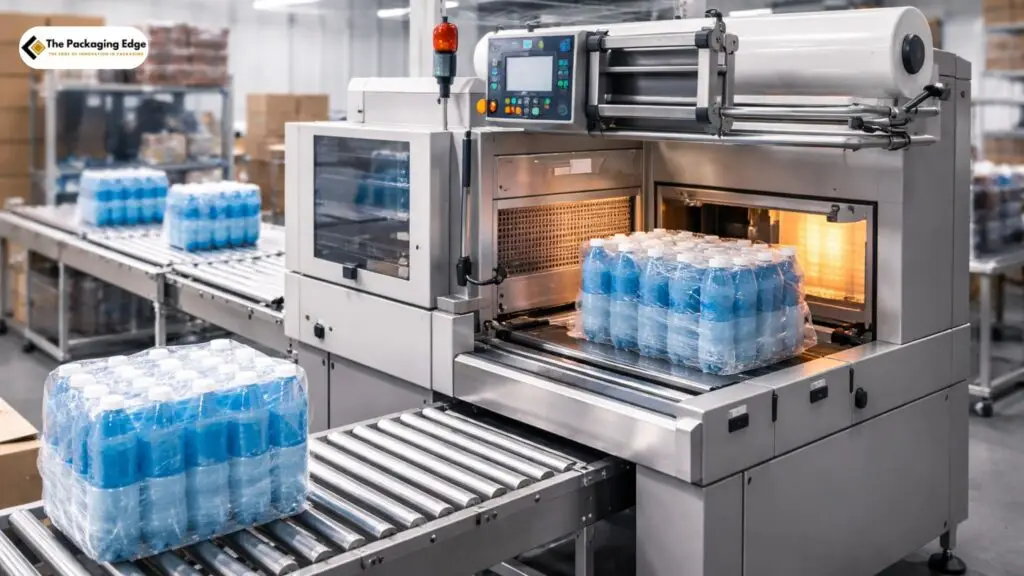
In today’s competitive global marketplace, packaging is far more than just a final step in the production line. It is a critical function that protects products, enhances brand presentation, improves operational efficiency, and reduces shipping costs. Businesses across industries—from food and beverage to electronics, pharmaceuticals, logistics, and retail—are increasingly turning to one powerful packaging solution: the shrink wrap system.
A shrink wrap system is not just a machine; it is a comprehensive packaging process that uses heat and specialized plastic film to tightly wrap products. When implemented correctly, it improves product protection, reduces waste, speeds up production, and creates professional retail-ready packaging.
However, selecting the right shrink wrapping equipment, system configuration, and operational strategy can be complex. Companies often struggle with choosing the correct machinery, optimizing efficiency, and maintaining consistent packaging quality.
That’s where expert guidance becomes invaluable.
At The Packaging Edge, businesses worldwide gain access to industry-leading expertise in packaging automation, shrink wrap technology, and customized system solutions. This guide will walk you through everything you need to know about shrink wrap systems—from how they work to how to choose the right one for your operations.
What Is a Shrink Wrap System?
A shrink wrap system is an integrated packaging solution designed to wrap products with shrink film that contracts tightly when heat is applied. The result is a secure, tamper-resistant, and visually appealing package that conforms perfectly to the shape of the product.
The system typically consists of several key components:
- Shrink wrap machine
- Shrink film roll
- Sealing system
- Heat shrink tunnel or heat gun
- Conveyor system
Together, these components create a streamlined packaging process that can be fully manual, semi-automatic, or completely automated depending on production requirements.
How the Shrink Wrapping Process Works
The shrink wrapping process follows a straightforward sequence:
- Product Placement
The product is placed inside shrink film or wrapped within a shrink film sleeve. - Sealing the Film
A sealing bar or L-sealer cuts and seals the film around the product. - Heat Application
The product passes through a heat tunnel or is exposed to controlled heat. - Film Shrinking
The film contracts tightly around the product, creating a protective layer. - Cooling and Final Packaging
The film cools and forms a durable protective seal.
When properly implemented, a shrink wrap system ensures consistent packaging quality while maintaining high production speed.
Why Businesses Are Switching to Shrink Wrap Systems
Packaging efficiency directly impacts operational costs, logistics performance, and product safety. Traditional packaging methods such as boxes, tapes, and manual wrapping often lead to inefficiencies and inconsistent results.
A modern shrink wrap system addresses these issues while offering several compelling advantages.
1. Superior Product Protection
Shrink wrap film forms a tight barrier around products, protecting them from:
- Dust
- Moisture
- Tampering
- Handling damage
This makes shrink wrapping ideal for industries such as food manufacturing, electronics, pharmaceuticals, and consumer goods.
2. Reduced Packaging Costs
Compared to bulky packaging materials like cardboard boxes, shrink film uses significantly less material. This leads to:
- Lower packaging material costs
- Reduced storage space
- Lower shipping weights
Over time, the savings generated by a shrink wrap system can be substantial.
3. Improved Product Presentation
Retail-ready packaging is essential in modern consumer markets. Shrink wrapping enhances product appearance by creating:
- Clean, transparent packaging
- Professional presentation
- Tamper-evident sealing
Products look more polished and organized on store shelves.
4. Increased Packaging Speed
Automated shrink wrap systems dramatically improve packaging throughput.
Instead of manual packing processes that slow down production, shrink wrap machines can process hundreds or thousands of packages per hour.
5. Versatility Across Industries
Shrink wrap systems are highly adaptable and can package:
- Individual products
- Multi-packs
- Bundled goods
- Irregular shapes
- Large industrial items
This flexibility makes shrink wrapping suitable for businesses of all sizes.
Types of Shrink Wrap Systems
Not all shrink wrap systems are the same. The right system depends on production volume, product type, and operational goals.
Here are the most common types.
Manual Shrink Wrap Systems
Manual systems are ideal for small businesses and low-volume packaging operations.
Features include:
- Hand-operated sealing bars
- Portable heat guns
- Basic shrink tunnels
Advantages:
- Low initial investment
- Simple operation
- Suitable for startups and small-scale operations
Limitations include slower production speeds and higher labor involvement.
Semi-Automatic Shrink Wrap Systems
Semi-automatic systems combine manual product placement with automated sealing and shrinking.
These systems typically include:
- L-bar sealers
- Heat shrink tunnels
- Conveyor systems
Benefits include:
- Higher productivity than manual systems
- Reduced operator fatigue
- Consistent packaging quality
Semi-automatic solutions are widely used in medium-sized production environments.
Fully Automatic Shrink Wrap Systems
Large-scale manufacturers rely on fully automated shrink wrap systems to achieve maximum efficiency.
Key capabilities include:
- Continuous product feeding
- Automated film wrapping
- High-speed sealing
- Conveyor-driven heat tunnels
Advantages include:
- High throughput rates
- Minimal labor requirements
- Integration with existing production lines
These systems are commonly used in industries such as beverage production, logistics, and consumer goods manufacturing.
Key Components of a Shrink Wrap System
Understanding the components of a shrink wrap system helps businesses select the right equipment configuration.
Shrink Film
Shrink film is the plastic material used to wrap products. Common types include:
Polyolefin (POF)
- Strong and flexible
- Ideal for retail packaging
PVC (Polyvinyl Chloride)
- Excellent clarity
- Common in retail environments
Polyethylene (PE)
- Used for heavy-duty packaging
- Ideal for bundling larger products
Selecting the right shrink film depends on the product type, weight, and packaging requirements.
Sealing Systems
Sealing equipment cuts and seals the shrink film around products.
Common sealing types include:
- L-Bar Sealers
- Impulse Sealers
- Continuous Side Sealers
The choice depends on product size and packaging speed requirements.
Heat Shrink Tunnel
The heat tunnel is where the magic happens.
Inside the tunnel, controlled heat causes the film to shrink tightly around the product.
Key factors include:
- Airflow control
- Temperature regulation
- Conveyor speed
A properly configured heat tunnel ensures uniform shrinkage without damaging products.
Conveyor Systems
Conveyors move products through the shrink wrapping process.
Benefits include:
- Continuous packaging flow
- Reduced manual handling
- Higher production efficiency
For large-scale operations, conveyors are essential components of automated shrink wrap systems.
Industries That Benefit from Shrink Wrap Systems
Shrink wrapping has become a universal packaging solution across many industries.
Food and Beverage
Shrink wrapping protects food products from contamination while maintaining freshness.
Common applications include:
- Beverage multipacks
- Bakery items
- Frozen foods
- Produce packaging
Electronics
Electronics manufacturers rely on shrink wrap systems to protect products from dust and moisture during shipping and storage.
Examples include:
- Smartphones
- Accessories
- Consumer electronics
Pharmaceutical Industry
Shrink wrapping provides tamper-evident packaging, which is essential for pharmaceuticals.
Benefits include:
- Product safety
- Regulatory compliance
- Secure packaging
Logistics and Warehousing
Logistics companies use shrink wrapping to bundle products for transport.
This improves:
- Load stability
- Shipping efficiency
- Inventory organization
Retail and E-Commerce
Retail packaging demands both protection and presentation.
Shrink wrap systems allow businesses to create visually appealing packaging that enhances product visibility and brand perception.
How to Choose the Right Shrink Wrap System
Selecting the right shrink wrap system requires careful evaluation of operational needs.
Here are key factors to consider.
Production Volume
Determine how many packages your facility produces daily.
- Low volume: Manual systems
- Medium volume: Semi-automatic systems
- High volume: Fully automatic systems
Product Size and Shape
Some products require custom sealing configurations.
Irregular shapes or large products may require specialized equipment.
Packaging Speed Requirements
High-demand environments need machines capable of keeping up with production lines.
Automation becomes essential for high-speed packaging.
Film Compatibility
Not all machines support every film type.
Ensure your shrink wrap system supports the film best suited for your product.
Integration With Existing Systems
Modern packaging operations often require seamless integration with existing manufacturing and logistics processes.
Choosing the right system ensures smooth workflow integration.
Common Shrink Wrapping Challenges (And How to Solve Them)
Despite its benefits, shrink wrapping can present challenges if systems are poorly configured.
Problem: Uneven Shrinkage
Cause:
- Incorrect heat tunnel temperature
- Poor airflow
Solution:
Proper system calibration and professional installation.
Problem: Film Tearing
Cause:
- Low-quality film
- Improper sealing settings
Solution:
Use high-quality shrink film and optimize sealing parameters.
Problem: Slow Production Speeds
Cause:
- Manual processes
- Outdated machinery
Solution:
Upgrade to semi-automatic or fully automated shrink wrap systems.
Why Expertise Matters in Shrink Wrap System Implementation
Many businesses underestimate the complexity of implementing an effective shrink wrap system.
Key considerations include:
- Machine selection
- Production line integration
- Film optimization
- Equipment calibration
- Maintenance planning
Without expert guidance, companies risk investing in systems that fail to deliver expected performance.
This is why working with experienced packaging specialists is crucial.
The Packaging Edge: Your Trusted Shrink Wrap System Experts
When it comes to designing and implementing the ideal shrink wrap system, expertise makes all the difference.
The Packaging Edge specializes in helping businesses worldwide optimize their packaging operations through advanced shrink wrap technologies and tailored packaging solutions.
What sets The Packaging Edge apart?
Industry Expertise
With deep experience in packaging automation and shrink wrap technology, The Packaging Edge understands the real-world challenges manufacturers face.
Customized Solutions
No two businesses have identical packaging needs.
The Packaging Edge provides customized shrink wrap system solutions designed to match production volume, product characteristics, and operational goals.
End-to-End Support
From system selection to installation and optimization, The Packaging Edge ensures every stage of the packaging process is optimized for efficiency and reliability.
Global Perspective
With clients across industries and regions, The Packaging Edge delivers packaging strategies that meet international standards and evolving market demands.
Future Trends in Shrink Wrap Technology
The packaging industry is evolving rapidly, and shrink wrap systems continue to improve through innovation.
Key trends include:
Smart Packaging Automation
Modern shrink wrap systems are integrating with smart manufacturing technologies.
Features include:
- Real-time production monitoring
- Predictive maintenance
- Data-driven efficiency improvements
Sustainable Packaging Films
Environmental concerns are driving innovation in eco-friendly shrink films, including recyclable and biodegradable materials.
Businesses adopting sustainable shrink wrapping solutions gain both regulatory and brand advantages.
High-Speed Packaging Lines
Automation continues to push packaging speeds higher while maintaining precision and consistency.
This allows manufacturers to scale production without sacrificing packaging quality.
Final Thoughts: Transform Your Packaging Efficiency Today
In an era where operational efficiency, product protection, and brand presentation are more important than ever, investing in the right shrink wrap system can dramatically transform your packaging operations.
From reducing costs and improving product protection to enhancing retail presentation and increasing production speed, shrink wrap systems deliver measurable benefits across industries.
However, achieving these benefits requires more than just purchasing equipment. It requires strategic planning, the right technology, and expert implementation.
That’s where The Packaging Edge becomes your essential partner.
With extensive experience in packaging innovation and shrink wrap system optimization, The Packaging Edge helps businesses design packaging solutions that are efficient, scalable, and future-ready.
If you’re ready to upgrade your packaging operations, streamline production, and implement the ideal shrink wrap system for your business, now is the time to act.
Contact The Packaging Edge today to discuss your packaging needs and discover the most effective shrink wrap solution for your operation.
Email us directly at thepackagingedge@gmail.com and take the first step toward smarter, more efficient packaging.
Related Articles
- The Ultimate Guide to Cartoner Machines: Boosting Packaging Efficiency, Accuracy, and Scalability
- The Ultimate Guide to Cartoner Packaging Machines: Efficiency, Precision, and Scalable Growth
- Robotic Palletizers: The Complete Guide to Smarter, Faster, and Scalable End-of-Line Automation
- The Ultimate Guide to Choosing the Right Pillow Packing Machine for Your Business
- Automatic Case Sealer: The Complete Guide to Faster, Smarter Packaging Operations
- Horizontal Flow Wrapper: The Ultimate Guide to High-Speed, Efficient Packaging
- Stretch Wrappers: The Definitive Guide to Smarter, Safer, and More Profitable Pallet Packaging
- The Ultimate Guide to the Shrink Tunnel Packaging Machine: Technology, Applications, and How to Choose the Right System
- Modular Conveyor Systems: The Scalable Backbone of Modern Manufacturing and Packaging
- Automated Bagging Machine: The Ultimate Guide to Boosting Packaging Efficiency, Accuracy, and Profitability