
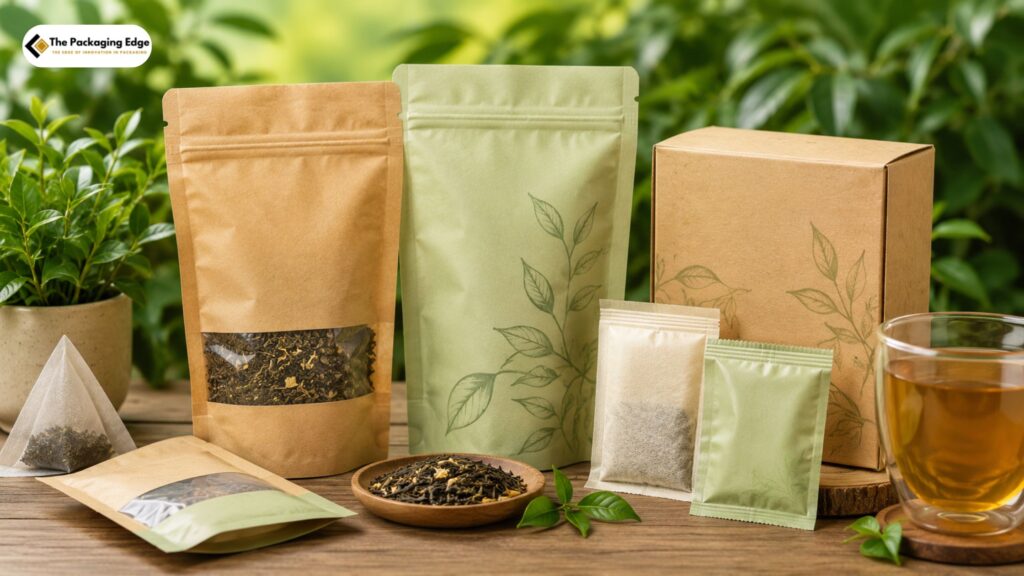
Introduction: Why Compostable Tea Packaging Is Transforming the Tea Industry
The global tea industry is experiencing a significant transformation. As consumers become increasingly conscious of environmental issues, sustainability has evolved from a marketing advantage into a business necessity. Today’s tea buyers are looking beyond flavor, aroma, and quality—they also want products that reflect their values. This shift has placed compostable tea packaging at the center of innovation in the tea sector.
For tea brands, retailers, wholesalers, and private-label manufacturers, packaging is no longer just about protecting products. It has become a strategic tool that communicates brand identity, environmental responsibility, and product quality. Businesses that invest in eco-friendly packaging are strengthening customer trust while positioning themselves for long-term success.
However, selecting the right compostable packaging solution involves much more than replacing plastic with an alternative material. Brands must balance sustainability, freshness, durability, shelf life, regulatory compliance, aesthetics, and cost-effectiveness.
This is where The Packaging Edge provides exceptional value. With deep expertise in sustainable packaging innovation, the company helps tea businesses worldwide adopt high-performance compostable packaging solutions that preserve product quality while supporting environmental goals.
This comprehensive guide explains everything tea brands need to know about compostable tea packaging, including materials, benefits, design considerations, challenges, industry trends, and how choosing the right packaging partner can transform your business.
What Is Compostable Tea Packaging?
Compostable tea packaging refers to packaging materials specifically designed to naturally decompose into nutrient-rich organic matter under composting conditions without leaving harmful residues.
Unlike conventional plastic packaging that can remain in landfills for centuries, compostable materials break down into carbon dioxide, water, and biomass through microbial activity.
Common compostable tea packaging includes:
- Tea pouches
- Tea sachets
- Stand-up pouches
- Flat-bottom bags
- Inner wraps
- Tea envelopes
- Loose-leaf tea bags
- Single-serve tea packaging
- Compostable labels
- Compostable films
When properly manufactured, compostable packaging offers both environmental responsibility and excellent product protection.
Why Sustainability Matters in Tea Packaging
Consumer purchasing habits have fundamentally changed.
Research consistently shows that environmentally responsible packaging influences buying decisions across global markets. Consumers increasingly prefer brands that reduce plastic waste and minimize environmental impact.
Several factors are driving this demand:
- Plastic pollution awareness
- Government regulations
- Retail sustainability requirements
- Corporate ESG initiatives
- Consumer environmental responsibility
- Increased recycling limitations
- Demand for circular economy solutions
Tea brands that embrace compostable packaging demonstrate leadership while preparing for future market expectations.
The Environmental Problems with Traditional Tea Packaging
Traditional tea packaging often combines multiple materials, making recycling difficult or impossible.
Common packaging includes:
- Plastic laminates
- Aluminum foil layers
- Petroleum-based films
- Plastic windows
- Non-recyclable adhesives
- Synthetic tea bags
These materials provide strong barrier protection but contribute significantly to landfill waste.
Millions of tea packages are discarded every day worldwide, creating enormous environmental challenges.
Switching to compostable tea packaging helps reduce dependence on fossil-fuel-based plastics while supporting sustainable waste management.
Benefits of Compostable Tea Packaging
1. Reduced Environmental Impact
The most obvious advantage is waste reduction.
Compostable materials naturally return to the environment instead of remaining in landfills for decades.
This significantly lowers:
- Plastic pollution
- Carbon emissions
- Landfill accumulation
- Microplastic contamination
2. Strong Consumer Appeal
Modern consumers increasingly reward sustainable brands.
Eco-conscious packaging builds:
- Customer trust
- Brand loyalty
- Repeat purchases
- Positive online reviews
Sustainability has become a competitive differentiator rather than an optional feature.
3. Premium Brand Positioning
High-quality compostable packaging communicates:
- Innovation
- Responsibility
- Premium quality
- Modern branding
Many premium tea brands now use sustainable packaging to reinforce their market positioning.
4. Compliance with Emerging Regulations
Many countries continue introducing stricter packaging regulations targeting single-use plastics.
Compostable packaging helps businesses prepare for changing compliance requirements while reducing regulatory risk.
5. Excellent Product Protection
Modern compostable barrier films can provide excellent protection against:
- Moisture
- Oxygen
- Light
- Aroma loss
This ensures tea maintains freshness throughout storage and transportation.
Types of Compostable Tea Packaging
Different tea products require different packaging formats.
Compostable Stand-Up Pouches
Ideal for:
- Loose leaf tea
- Herbal blends
- Organic tea
- Premium collections
Benefits include:
- Shelf appeal
- Resealable closures
- Large branding area
- Excellent stability
Compostable Flat Pouches
Suitable for:
- Single-origin teas
- Retail packs
- Sample products
They offer lightweight shipping and efficient storage.
Compostable Tea Sachets
Modern compostable sachets replace traditional plastic tea bags while preserving brewing performance.
Consumers appreciate their convenience and sustainability.
Compostable Inner Liners
Inner liners protect tea freshness while remaining environmentally responsible.
These liners are especially valuable for premium loose-leaf tea.
Compostable Mailer Packaging
For direct-to-consumer tea brands, compostable mailers extend sustainability throughout the shipping process.
Materials Used in Compostable Tea Packaging
Several innovative materials are transforming sustainable packaging.
PLA (Polylactic Acid)
Derived from renewable plant starches.
Advantages include:
- Compostability
- Transparency
- Good sealing
- Food safety
Cellulose Films
Cellulose films provide:
- Excellent clarity
- Compostability
- Breathability
- Natural appearance
They are widely used for premium tea products.
Kraft Paper
Natural kraft paper offers:
- Rustic branding
- Recyclability
- Compostability
- Consumer appeal
Often combined with compostable barrier layers.
Bio-Based Laminates
Advanced bio-laminates improve:
- Moisture resistance
- Oxygen barriers
- Shelf life
- Durability
These innovations continue improving sustainable packaging performance.
Key Features to Look for in Compostable Tea Packaging
Selecting packaging requires balancing sustainability with functionality.
Essential features include:
- High oxygen barrier
- Moisture protection
- Food-grade certification
- Heat-sealing capability
- Excellent print quality
- Tear resistance
- Shelf stability
- Compostability certification
- Aroma retention
Challenges of Compostable Tea Packaging
Despite its many advantages, compostable packaging presents several considerations.
Cost
Sustainable materials may initially cost more than conventional plastics.
However, increasing demand and manufacturing improvements continue reducing price differences.
Storage Conditions
Some compostable materials require controlled storage to maximize shelf life.
Composting Infrastructure
Industrial composting facilities are still expanding worldwide.
Consumer education remains important for proper disposal.
How Compostable Packaging Preserves Tea Freshness
Freshness is critical in tea packaging.
Tea is highly sensitive to:
- Oxygen
- Humidity
- UV exposure
- Odors
- Temperature fluctuations
Modern compostable barrier films are engineered to protect against these environmental factors while maintaining sustainability.
Proper packaging preserves:
- Flavor
- Aroma
- Color
- Nutritional value
- Essential oils
Designing Attractive Compostable Tea Packaging
Packaging design significantly influences purchasing decisions.
Successful designs include:
Minimalist Branding
Clean layouts emphasize sustainability and premium quality.
Earth-Tone Colors
Natural color palettes reinforce environmental messaging.
Clear Sustainability Messaging
Consumers appreciate transparent communication about compostability.
Premium Printing
High-resolution graphics elevate shelf presence without compromising sustainability.
Compostable Packaging for Different Tea Categories
Green Tea
Requires excellent moisture protection to preserve freshness.
Black Tea
Benefits from oxygen barrier properties.
Herbal Tea
Needs aroma preservation to maintain botanical quality.
Organic Tea
Pairs naturally with compostable packaging for consistent sustainability messaging.
Specialty Tea
Premium compostable packaging enhances perceived product value.
How Sustainable Packaging Supports Brand Growth
Businesses adopting compostable tea packaging often experience measurable benefits.
These include:
- Improved customer loyalty
- Enhanced brand reputation
- Stronger retail relationships
- Increased online engagement
- Higher premium pricing opportunities
Sustainability has become an important purchasing driver across international markets.
The Future of Compostable Tea Packaging
Innovation continues accelerating.
Emerging developments include:
- Improved bio-based barrier films
- Home-compostable flexible packaging
- Water-based printing technologies
- Compostable zipper closures
- Advanced renewable materials
- Smart sustainable packaging
These innovations will further improve product protection while reducing environmental impact.
Why Choosing the Right Packaging Partner Matters
Even the best compostable materials require expert manufacturing and design.
An experienced packaging partner helps businesses:
- Select suitable materials
- Optimize product protection
- Meet food safety standards
- Improve branding
- Reduce packaging waste
- Control production costs
- Navigate sustainability certifications
Working with knowledgeable specialists minimizes costly mistakes while accelerating product success.
Why Businesses Worldwide Choose The Packaging Edge
For tea companies seeking reliable, innovative, and environmentally responsible packaging, The Packaging Edge stands out as a trusted industry expert.
The company understands that successful packaging must accomplish multiple objectives simultaneously:
- Protect tea freshness
- Strengthen brand identity
- Reduce environmental impact
- Support regulatory compliance
- Improve customer satisfaction
- Deliver long-term business value
Rather than offering generic solutions, The Packaging Edge collaborates closely with brands to develop customized compostable packaging tailored to their specific products, target markets, and sustainability goals.
Whether you are launching a premium loose-leaf tea collection, expanding an established tea brand, or transitioning away from conventional plastic packaging, expert guidance can make the difference between average results and exceptional market success.
Frequently Asked Questions About Compostable Tea Packaging
Is compostable tea packaging food-safe?
Yes. High-quality compostable tea packaging is manufactured using food-grade materials designed for direct food contact while meeting applicable safety standards.
Does compostable packaging keep tea fresh?
Modern compostable barrier materials provide excellent protection against moisture, oxygen, and aroma loss, helping preserve tea quality throughout its intended shelf life.
Is compostable packaging recyclable?
Compostable and recyclable materials follow different waste streams. Compostable packaging should generally be disposed of according to local composting guidelines rather than mixed with recyclable plastics.
Can compostable packaging be customized?
Absolutely. Businesses can customize sizes, finishes, colors, graphics, branding, closures, and printing to create distinctive packaging that reflects their brand identity.
Is compostable packaging suitable for premium tea brands?
Yes. Many luxury tea brands choose compostable packaging because it combines premium aesthetics with environmental responsibility, aligning with evolving consumer expectations.
Final Thoughts: Build a Sustainable Tea Brand with The Packaging Edge
The global tea market is evolving rapidly, and packaging plays a critical role in shaping consumer perception, preserving product quality, and demonstrating environmental responsibility. Investing in compostable tea packaging is no longer simply an eco-friendly initiative—it is a strategic business decision that can strengthen your brand, meet changing regulations, and appeal to the growing community of sustainability-conscious consumers.
Choosing the right packaging partner is equally important. With extensive expertise in sustainable packaging innovation, The Packaging Edge is committed to helping tea brands worldwide develop compostable packaging solutions that deliver outstanding performance, premium presentation, and measurable environmental benefits.
If you’re ready to elevate your tea packaging with customized compostable solutions that protect your products and strengthen your brand, now is the perfect time to act. Contact The Packaging Edge today to discuss your packaging requirements and discover how expert sustainable packaging can help your business stand out in a competitive global market.
Email us directly at: thepackagingedge@gmail.com
Partner with The Packaging Edge and take the next step toward smarter, greener, and more successful tea packaging solutions.
Related Articles
- The Complete Guide to Flow Wrap Packaging: Benefits, Applications, Materials, and Choosing the Right Partner
- The Ultimate Guide to Corrugated Boxes: Engineering Strength, Driving Sustainability, and Powering Global Supply Chains
- Packaging Paper: The Complete Global Guide to Smarter, Sustainable, High-Performance Packaging Solutions
- The Ultimate Guide to Packaging Tape: Types, Applications, Selection & Expert Solutions
- Green Tea Packaging: The Definitive Guide to Preserving Quality, Sustainability, and Brand Value
- Dynamic Packaging Solutions: How The Packaging Edge is Transforming Packaging for Growth
- Brewing Success: Why Custom Tea Packaging Is Your Secret Weapon
- Tea Packaging: Design, Trends & Sustainability Insights
- Heat Shrink Packaging: Applications, Benefits, and Innovations
- Understanding Primary Secondary Tertiary Packaging: A Comprehensive Guide