
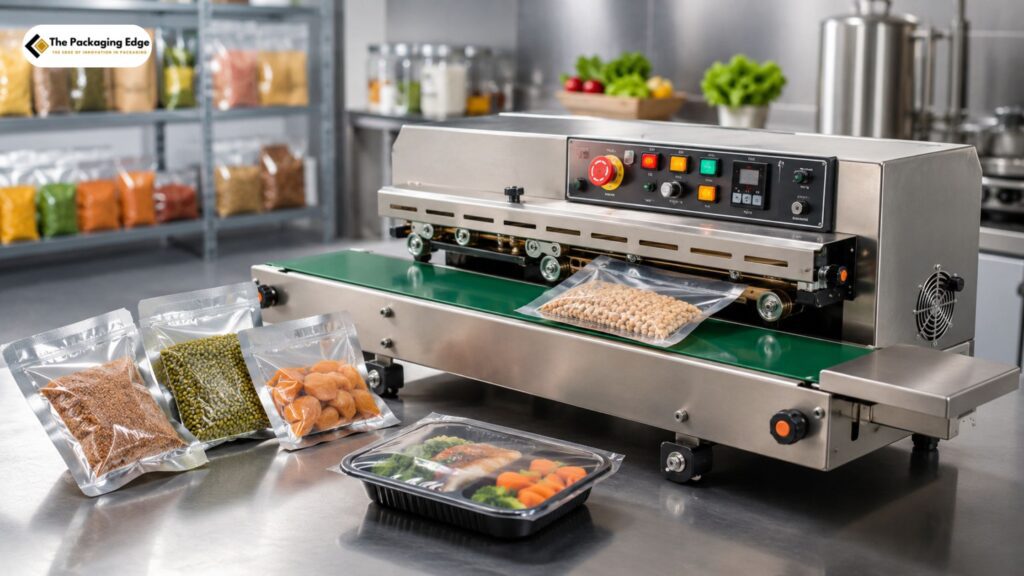
In today’s highly competitive food industry, packaging is much more than just wrapping a product. It serves as the first line of defense against contamination, moisture, oxygen, and physical damage while also enhancing product presentation and extending shelf life. Whether you operate a small bakery, a large-scale food processing facility, or a retail packaging business, investing in the right heat seal machine for food can significantly improve operational efficiency, product quality, and customer satisfaction.
Modern consumers expect food products to arrive fresh, hygienic, and securely sealed. At the same time, businesses must comply with increasingly strict food safety regulations while maintaining cost-effective production. A high-quality heat sealing machine helps meet these expectations by creating strong, consistent, and tamper-evident seals that preserve freshness and reduce waste.
This comprehensive guide explores everything you need to know about heat seal machines for food—from how they work and their key benefits to selecting the right model for your business. Whether you’re upgrading your packaging line or purchasing your first sealing machine, this article will help you make an informed decision.
What Is a Heat Seal Machine for Food?
A heat seal machine for food is specialized packaging equipment designed to seal food-grade packaging materials using controlled heat and pressure. The machine melts the thermoplastic layer of the packaging material, creating a strong, airtight bond that protects the contents from external contaminants.
Heat sealing technology is widely used across numerous food industries because it offers:
- Airtight packaging
- Leak-proof seals
- Tamper evidence
- Extended shelf life
- Improved hygiene
- Professional product presentation
From snack manufacturers to frozen food producers, heat sealing has become an essential step in modern food packaging operations.
How Does a Heat Seal Machine Work?
The basic principle behind heat sealing is relatively simple, yet highly effective.
The packaging material is positioned between heated sealing bars or jaws. When the machine applies a predetermined combination of heat, pressure, and dwell time, the inner sealing layers melt together. As the material cools, it forms a durable seal capable of protecting the packaged food.
The sealing process generally involves the following stages:
Step 1: Package Placement
The food product is placed inside an appropriate packaging pouch, tray, or bag.
Step 2: Heat Application
Heating elements warm the sealing surface to the required temperature based on the packaging material.
Step 3: Pressure
The machine compresses the packaging layers together.
Step 4: Cooling
After sealing, the material cools quickly, forming a permanent bond.
This precise process ensures consistency across thousands of packaged products.
Why Heat Sealing Is Essential in the Food Industry
Food packaging serves several important purposes beyond appearance. A professionally sealed package protects both the manufacturer and the consumer.
1. Maintains Freshness
Proper heat sealing prevents oxygen from entering the package, helping preserve flavor, aroma, texture, and nutritional value.
Fresh products remain attractive to consumers for longer periods.
2. Prevents Contamination
Food contamination can occur from dust, bacteria, insects, moisture, and handling.
A secure heat seal forms an effective barrier that helps maintain hygiene throughout storage and transportation.
3. Extends Shelf Life
One of the biggest advantages of using a heat seal machine for food is increased shelf life.
By limiting exposure to environmental factors, food products remain stable for longer, reducing spoilage and minimizing waste.
4. Improves Customer Confidence
Consumers often judge product quality based on packaging.
Clean, consistent, professionally sealed packages create a positive impression and reinforce brand trust.
5. Supports Regulatory Compliance
Many food safety standards require reliable packaging that protects products throughout the supply chain.
Heat sealing helps manufacturers meet these quality requirements consistently.
Types of Heat Seal Machines for Food
Selecting the right machine depends on production volume, packaging style, and business requirements.
1. Impulse Heat Seal Machine
Impulse sealers generate heat only during the sealing cycle.
Advantages
- Energy efficient
- Easy to operate
- Affordable
- Suitable for small businesses
Best For
- Plastic bags
- Polyethylene packaging
- Small production runs
2. Continuous Band Sealer
Continuous band sealers automatically feed packages through the sealing mechanism.
They are designed for medium and high-volume packaging operations.
Benefits
- Fast production
- Consistent seal quality
- Minimal operator effort
- Excellent productivity
Common industries include:
- Snack foods
- Coffee
- Dry fruits
- Spices
- Pet food
3. Vacuum Heat Seal Machine
Vacuum sealers remove air before sealing.
This process dramatically increases shelf life while preserving product quality.
Ideal for:
- Meat
- Seafood
- Cheese
- Frozen foods
- Prepared meals
4. Tray Sealing Machine
Tray sealers seal pre-filled food trays using specialized film.
These machines are commonly found in:
- Ready meals
- Fresh produce
- Meat packaging
- Poultry
- Dairy products
Many advanced models also support modified atmosphere packaging (MAP).
5. Automatic Heat Seal Machine
Fully automatic systems integrate seamlessly into production lines.
Features often include:
- Automatic feeding
- Barcode printing
- Date coding
- Label integration
- Conveyor systems
- Quality inspection
These machines are ideal for manufacturers handling thousands of products per day.
Industries That Use Heat Seal Machines
Heat sealing technology is used across virtually every food manufacturing sector.
Bakery Industry
Fresh bread, cookies, cakes, muffins, and pastries require reliable sealing to maintain softness and freshness.
Heat-sealed packaging also enhances shelf appeal.
Snack Food Manufacturing
Manufacturers of chips, popcorn, nuts, crackers, and granola rely on airtight sealing to prevent moisture from affecting product quality.
Frozen Food Industry
Frozen vegetables, seafood, ready meals, and meat products require strong seals capable of withstanding low temperatures.
Dairy Products
Cheese, yogurt cups, butter, and milk-based products benefit from leak-resistant packaging.
Coffee and Tea
Moisture and oxygen are major enemies of coffee freshness.
Heat sealing preserves aroma while maintaining product quality throughout storage.
Spices and Seasonings
Spices lose flavor when exposed to air.
Proper heat sealing protects essential oils and extends shelf life.
Fresh Produce
Cut fruits, vegetables, herbs, and salads often use tray sealing or vacuum packaging to maintain freshness.
Benefits of Investing in a High-Quality Heat Seal Machine for Food
Many businesses initially focus on machine cost.
However, the real value comes from long-term operational improvements.
Increased Productivity
Modern sealing machines significantly reduce packaging time.
Higher production speeds enable businesses to meet growing customer demand without compromising quality.
Lower Packaging Waste
Consistent sealing minimizes rejected packages, reducing material waste and production costs.
Better Product Protection
Reliable seals reduce the likelihood of leakage, contamination, or damaged packaging during transportation.
This helps protect both your products and your brand reputation.
Enhanced Brand Image
Well-sealed, attractive packaging communicates professionalism and builds customer trust.
Consumers are more likely to repurchase products that arrive in excellent condition.
Reduced Labor Costs
Automatic and semi-automatic heat seal machines reduce manual effort, allowing staff to focus on other production tasks.
Over time, this can significantly improve operational efficiency and lower overall labor expenses.
How to Choose the Best Heat Seal Machine for Food
Choosing the right heat seal machine for food is a strategic investment that can influence your production efficiency, packaging quality, operational costs, and customer satisfaction. With a wide variety of machines available, understanding your business requirements is the first step toward making the right decision.
Rather than focusing only on price, evaluate the machine based on your current production needs and your company’s future growth plans.
1. Assess Your Production Volume
One of the biggest factors in selecting a heat sealing machine is the number of packages you produce daily.
Low-Volume Production
If you operate a small bakery, home-based food business, startup, or specialty food company producing a few hundred packages per day, a manual or impulse heat sealer may be sufficient. These machines are affordable, easy to use, and require minimal maintenance.
Medium-Volume Production
Businesses packaging several thousand products each day should consider semi-automatic or continuous band sealers. These machines improve speed while maintaining consistent seal quality.
High-Volume Production
Large food manufacturers require fully automated heat sealing systems that integrate with conveyors, filling machines, weighing systems, coding equipment, and quality inspection units. These systems maximize productivity while minimizing labor costs.
Consider the Packaging Material
Not all packaging films respond to heat in the same way. Choosing a machine compatible with your packaging material is essential for achieving strong, reliable seals.
Common food packaging materials include:
- Polyethylene (PE)
- Polypropylene (PP)
- Laminated films
- Nylon pouches
- Aluminum foil laminates
- PET films
- Vacuum bags
- Multi-layer barrier films
Each material has different sealing temperature requirements. A quality machine with adjustable temperature controls allows operators to fine-tune settings for optimal results.
Evaluate Seal Width and Seal Strength
Different food products require different sealing specifications.
For example:
- Dry snacks may only require a narrow seal.
- Frozen foods often benefit from wider, stronger seals.
- Liquids and sauces demand leak-proof sealing with excellent bond strength.
- Vacuum-packed meats require durable seals capable of withstanding transportation and cold storage.
Choosing the appropriate seal width improves package integrity and reduces product loss.
Look for Adjustable Temperature Controls
Precise temperature control is one of the most important features of a professional heat seal machine.
Too much heat can burn or distort packaging materials.
Too little heat may result in weak or incomplete seals.
Machines with digital temperature controls provide greater consistency, reduce operator error, and improve packaging quality across different packaging materials.
Automation Features That Improve Productivity
Modern heat sealing machines include a wide range of automation features designed to simplify production.
Popular features include:
- Digital control panels
- Touchscreen interfaces
- Adjustable conveyor speeds
- Automatic bag feeding
- Programmable sealing cycles
- Date coding integration
- Batch printing compatibility
- Error detection systems
- Emergency stop functions
These features improve efficiency while reducing manual intervention.
Manual vs. Semi-Automatic vs. Automatic Heat Seal Machines
Understanding the differences between machine types helps businesses invest wisely.
Manual Heat Seal Machines
Manual sealers require operators to position the package and activate the sealing mechanism.
Advantages
- Low initial investment
- Easy operation
- Portable design
- Suitable for startups
Limitations
- Lower production speed
- Operator fatigue
- Less suitable for large production runs
Semi-Automatic Heat Seal Machines
Semi-automatic models automate portions of the sealing process while still requiring some operator involvement.
Benefits include:
- Improved productivity
- Better consistency
- Reduced labor
- Faster packaging
These machines are popular among growing food manufacturers.
Fully Automatic Heat Seal Machines
Automatic machines handle nearly every stage of the sealing process.
Typical capabilities include:
- Product detection
- Automatic feeding
- Continuous sealing
- Conveyor integration
- Quality inspection
- Printing and labeling
These systems are ideal for high-capacity production facilities where speed, precision, and reliability are essential.
Common Packaging Materials Used with Heat Seal Machines
Modern food packaging uses a variety of materials designed to protect products while meeting regulatory requirements.
Polyethylene (PE)
PE is one of the most widely used packaging materials because it is flexible, economical, and seals easily.
Common applications include:
- Bread bags
- Frozen food packaging
- Produce bags
Polypropylene (PP)
Polypropylene provides excellent clarity and moisture resistance.
It is commonly used for:
- Bakery products
- Snacks
- Dry foods
- Confectionery
Laminated Films
Laminated films combine multiple material layers to improve protection against oxygen, moisture, and light.
These films are frequently used for:
- Coffee
- Tea
- Spices
- Premium food products
Vacuum Pouches
Vacuum bags are designed for vacuum sealing machines.
Their multi-layer construction helps preserve freshness while reducing freezer burn.
Ideal applications include:
- Meat
- Poultry
- Seafood
- Cheese
Common Food Products That Benefit from Heat Sealing
Heat sealing technology supports nearly every segment of the food industry.
Examples include:
- Rice
- Flour
- Sugar
- Pulses
- Coffee beans
- Tea leaves
- Snack foods
- Frozen vegetables
- Ready-to-eat meals
- Fresh fruits
- Dry fruits
- Nuts
- Bakery products
- Pet food
- Spices
- Dairy products
- Protein powders
- Health foods
- Organic products
The versatility of heat seal machines makes them an indispensable asset for food manufacturers worldwide.
Common Heat Sealing Problems and How to Avoid Them
Even the best machine requires proper setup and operation. Understanding common sealing issues helps maintain consistent packaging quality.
Weak Seals
Possible causes:
- Low sealing temperature
- Insufficient pressure
- Inadequate sealing time
- Incorrect packaging material
Solution:
Regularly test seal strength and adjust machine settings according to the manufacturer’s recommendations.
Burned Packaging
Excessive temperature can scorch or melt packaging films.
Solution:
Reduce sealing temperature and shorten dwell time.
Wrinkled Seals
Wrinkles often occur when packaging is not positioned correctly.
Solution:
Ensure packaging lies flat before sealing and keep sealing bars clean.
Air Leaks
Air leaks compromise freshness and reduce shelf life.
Possible causes include:
- Damaged packaging
- Incomplete seals
- Contamination along the sealing area
Routine quality checks can identify leaks before products leave the facility.
Best Practices for Maintaining a Heat Seal Machine
Routine maintenance extends machine life, improves reliability, and ensures consistent sealing performance.
Clean Sealing Bars Daily
Food particles, dust, and packaging residue can accumulate on heating elements, affecting seal quality. Wipe sealing bars with a soft, non-abrasive cloth after each production shift.
Inspect Heating Elements
Check for signs of wear, uneven heating, or damage. Replacing worn components promptly prevents inconsistent seals.
Verify Temperature Calibration
Temperature sensors should be calibrated periodically to maintain accurate sealing temperatures across different packaging materials.
Lubricate Moving Components
For conveyor-based or automatic machines, follow the manufacturer’s lubrication schedule to reduce wear and maintain smooth operation.
Replace Worn Teflon Tape
Many heat sealers use Teflon tape to protect heating elements. Replace it when it becomes worn, damaged, or discolored to ensure clean, consistent seals.
Train Operators
Even advanced equipment performs best when operated by trained personnel. Proper training reduces errors, improves productivity, and minimizes unnecessary downtime.
Understanding the Return on Investment (ROI)
While purchasing a heat seal machine represents an upfront investment, the long-term financial benefits often outweigh the initial cost.
A high-quality machine can deliver value through:
- Faster packaging speeds
- Reduced labor requirements
- Lower packaging waste
- Fewer product returns due to seal failures
- Longer shelf life for packaged food
- Improved customer satisfaction
- Greater production consistency
For growing food businesses, these advantages contribute directly to increased profitability and a stronger competitive position.
Future-Proofing Your Packaging Line
As consumer demand and production volumes grow, your packaging equipment should be able to grow with your business.
When selecting a heat seal machine, consider options that allow for future upgrades, such as:
- Conveyor integration
- Date and batch coding systems
- Modified Atmosphere Packaging (MAP) compatibility
- Vacuum sealing attachments
- Automated inspection systems
- Integration with filling and weighing equipment
Investing in scalable packaging solutions today can help reduce future equipment replacement costs and support long-term business expansion.
Emerging Trends in Heat Sealing Technology for the Food Industry
The food packaging industry continues to evolve as consumer expectations, environmental regulations, and manufacturing technologies advance. Modern heat seal machines for food are becoming smarter, faster, and more sustainable, helping businesses improve efficiency while meeting the demands of today’s global market.
Understanding these trends can help food manufacturers make future-ready investments that support long-term growth.
Smart Automation and Industry 4.0
Manufacturers are increasingly adopting intelligent packaging equipment equipped with sensors, programmable logic controllers (PLCs), and Internet of Things (IoT) connectivity. These technologies enable real-time monitoring of machine performance, predictive maintenance, and production analytics.
Benefits include:
- Reduced downtime through predictive maintenance
- Consistent sealing quality with automated adjustments
- Improved production tracking and reporting
- Lower operational costs through optimized performance
Smart automation is especially valuable for businesses operating multiple production lines or manufacturing facilities.
Sustainability in Food Packaging
Environmental responsibility has become a major priority for both consumers and businesses. Companies are actively seeking packaging solutions that reduce waste while maintaining product safety.
Modern heat seal machines are compatible with many eco-friendly packaging materials, including recyclable and mono-material films designed for easier recycling. In addition, energy-efficient machines consume less power, reducing operating costs and supporting sustainability goals.
Businesses can further improve their environmental impact by:
- Selecting recyclable packaging materials
- Reducing packaging waste through precise sealing
- Using energy-efficient equipment
- Optimizing package sizes to minimize material consumption
Adopting sustainable packaging practices not only benefits the environment but also enhances brand reputation among environmentally conscious consumers.
Food Safety and Regulatory Compliance
Food safety remains one of the most important considerations in food packaging. Reliable heat sealing plays a critical role in protecting products throughout storage, transportation, and retail display.
A properly sealed package helps:
- Prevent contamination from dust, moisture, and microorganisms
- Reduce the risk of leaks and product spoilage
- Preserve freshness and product quality
- Improve traceability when combined with coding and labeling systems
Businesses should ensure that their packaging equipment and materials comply with relevant food safety regulations in their target markets.
Why Quality Matters When Choosing a Heat Seal Machine
Although budget-friendly machines may appear attractive initially, they often result in inconsistent seals, higher maintenance costs, and reduced productivity over time.
Investing in a high-quality machine offers several long-term advantages:
- Reliable and repeatable sealing performance
- Longer equipment lifespan
- Lower maintenance requirements
- Increased production efficiency
- Better compatibility with various packaging materials
- Reduced product loss due to seal failures
When evaluating equipment, it is important to consider not only the purchase price but also the total cost of ownership, including maintenance, downtime, and operational efficiency.
Why Businesses Choose The Packaging Edge
Selecting the right packaging partner is just as important as selecting the right machine. Businesses require more than equipment—they need expert guidance, dependable support, and solutions tailored to their operational goals.
The Packaging Edge is committed to helping food manufacturers, processors, distributors, and growing brands find packaging solutions that improve productivity, protect product quality, and support long-term success.
By understanding the unique requirements of different industries, The Packaging Edge delivers practical recommendations designed to help businesses optimize their packaging processes and stay competitive in an evolving marketplace.
Whether your business is launching a new product, expanding production capacity, or upgrading an existing packaging line, working with experienced professionals can make all the difference.
Frequently Asked Questions (FAQs)
1. What is a heat seal machine for food?
A heat seal machine for food is packaging equipment that uses controlled heat and pressure to create airtight seals on food-grade packaging materials. It helps preserve freshness, improve food safety, and extend shelf life.
2. Which industries use heat seal machines?
Heat seal machines are widely used in:
- Bakery
- Dairy
- Frozen food
- Seafood
- Meat processing
- Coffee and tea
- Snack food manufacturing
- Spice packaging
- Ready-to-eat meals
- Pet food production
3. What packaging materials can be heat sealed?
Most food heat seal machines work with:
- Polyethylene (PE)
- Polypropylene (PP)
- PET films
- Laminated films
- Vacuum pouches
- Barrier films
- Aluminum foil laminates
The correct sealing temperature depends on the specific material.
4. How does heat sealing extend shelf life?
Heat sealing creates an airtight barrier that minimizes exposure to oxygen, moisture, and contaminants. This helps preserve flavor, texture, and nutritional quality while reducing spoilage.
5. Is a vacuum sealer better than a standard heat sealer?
It depends on the application. A standard heat sealer is suitable for many dry food products, while a vacuum heat sealer removes air before sealing, making it ideal for meat, seafood, cheese, and frozen foods that require longer shelf life.
6. How often should a heat seal machine be maintained?
Routine cleaning should be performed daily, while inspections, calibration, and preventive maintenance should follow the manufacturer’s recommended schedule. Regular maintenance ensures consistent performance and extends equipment life.
7. Can one heat seal machine handle different packaging materials?
Many modern machines feature adjustable temperature, pressure, and sealing time settings, allowing them to accommodate multiple packaging materials. Always verify compatibility with the machine specifications before use.
8. What should I consider before purchasing a heat seal machine?
Key factors include:
- Production volume
- Packaging material compatibility
- Seal quality
- Automation level
- Maintenance requirements
- Available floor space
- Energy efficiency
- Future scalability
- Technical support and after-sales service
Evaluating these factors will help you choose equipment that aligns with your business goals.
Final Thoughts
A dependable heat seal machine for food is more than a piece of packaging equipment—it is a critical investment in product quality, operational efficiency, food safety, and customer satisfaction. From preserving freshness and extending shelf life to reducing waste and improving production speed, the right heat sealing solution can have a measurable impact on your business.
As the food industry continues to evolve, manufacturers need packaging systems that are reliable, adaptable, and capable of supporting future growth. Choosing equipment that matches your production requirements today while allowing room for expansion tomorrow is a smart strategy that delivers long-term value.
Partner with The Packaging Edge
At The Packaging Edge, we understand that every food business has unique packaging challenges. Our goal is to help manufacturers, food processors, distributors, and emerging brands identify packaging solutions that enhance efficiency, maintain product integrity, and support sustainable growth.
Whether you’re searching for your first heat seal machine for food, upgrading an existing packaging line, or exploring advanced sealing technologies, our team is ready to provide practical guidance and reliable solutions tailored to your needs.
Ready to improve your food packaging process?
Contact The Packaging Edge today to discuss your packaging requirements, receive expert recommendations, and discover the right sealing solution for your business.
Email us directly at: thepackagingedge@gmail.com
Let The Packaging Edge help you build a packaging process that protects your products, strengthens your brand, and supports your business growth for years to come.
Related Articles
- Corrugated Box Making Machine: The Complete Guide to Modern Packaging Production
- Small Carton Erector Machine: The Complete Guide to Faster, Smarter, and More Efficient Packaging Operations
- Automatic Carton Sealing Machine: The Complete Guide to Faster, Smarter, and More Efficient Packaging Operations
- Carton Former Machine: The Complete Guide to Faster, Smarter, and More Efficient Packaging Operations
- Carton Box Machine: The Complete Guide to Modern Packaging Efficiency and Business Growth
- Custom Box Making Machine: The Complete Guide to Modern Packaging Efficiency and Business Growth
- Automatic Carton Erector: The Complete Guide to Faster, Smarter Box Forming
- Carton Erector and Sealer: The Complete Guide to Faster, Smarter, and More Reliable Packaging Operations
- Carton Erector Machine Solutions for Faster, Smarter Packaging Operations
- Robotic Case Packers: The Future of Automated Case Packing